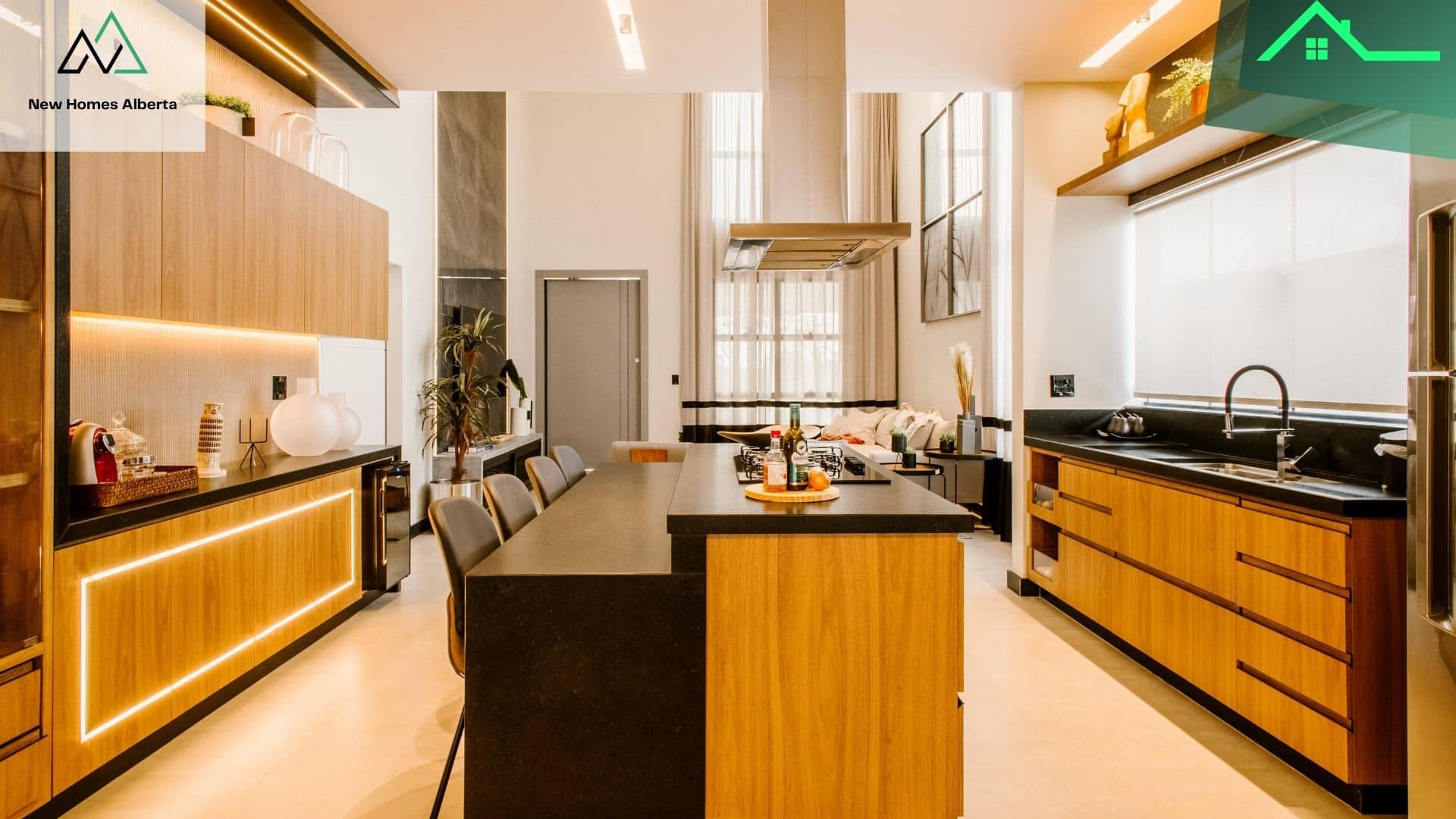
Purchasing a pre-construction property provides an incredible opportunity to customize your living space long before the foundation is poured. The culinary preparation area serves as the absolute focal point of modern residential architecture, heavily influencing both daily functionality and long-term appraisal value. A visually stunning exterior quickly loses its financial appeal if the interior floor plan forces the occupants to cook in a cramped, poorly designed space. You must look past the basic finishings displayed in a standard show home and focus strictly on the structural spatial planning that keeps the property highly desirable for decades.
Evaluating these architectural elements requires a deep understanding of modern residential flow and the specific lifestyle demands of provincial residents. Developers offer different floor plans depending on the specific community density, lot dimensions, and municipal zoning regulations. Knowing which structural configuration provides the highest long-term return on investment gives you a distinct advantage in the real estate market. It empowers you to ask highly specific questions during your drafting appointments and review architectural blueprints with a critical, analytical eye.
Our team specializes in helping buyers evaluate these crucial construction standards across the province. We prioritize education, giving you the facts needed to make confident real estate decisions regarding your property’s interior mechanics. This comprehensive guide explains how modern building practices integrate open-concept living, why independent representation matters during contract negotiations, and how smart buying strategies secure your financial future. Whether you are searching for a primary residence or expanding your rental portfolio, mastering these design details is essential for long-term profitability.
Key Takeaways
The L-shaped configuration offers the highest degree of flexibility for integrating cooking zones seamlessly with open-concept living rooms.
Central islands dramatically increase property appraisal values by providing a multipurpose hub for dining, entertaining, and meal preparation.
Purchasing directly from the builder’s sales center leaves you completely unrepresented; utilizing a buyer’s agent protects your financial interests during structural negotiations.
Evaluating the exact new home kitchen layout options alberta developers offer helps prevent massive spatial regrets post-possession.
Galley designs maximize efficiency in narrow townhomes, making them highly attractive for high-density investment properties.
Familiarizing yourself with financial mechanisms, like specific government multi-family insurance programs, allows investors to maximize their purchasing power.
Overview
This guide provides an in-depth analysis of how builders design and integrate culinary spaces to meet the high expectations of the provincial real estate market. We explore the specific spatial configurations developers implement, including the highly popular L-shape, the efficient galley, and the massive U-shaped storage layouts. You will learn about the strict architectural principles governing these designs, such as the classic work triangle, and how they directly impact the long-term rental appeal of your real estate asset. We break down the financial advantages of investing in brand-new builds, explaining critical terms like amortization and closing costs to clarify the entire financial landscape.
Furthermore, we highlight the stark differences between buying new properties versus acquiring older resale homes, particularly regarding the ease of modernizing the floor plan before the drywall is installed. Most importantly, we explain why relying on a builder’s internal sales team is a highly risky strategy for unrepresented buyers. We detail exactly how independent buyer representation provides you with vital protection, expert contract negotiation, and absolute peace of mind throughout the entire build process. By the end of this resource, you will possess the required knowledge to protect your investments and create highly functional, comfortable living spaces.
The Economics of Culinary Spaces
The culinary zone dictates the financial ceiling of any residential property. Recent data from the Canadian Real Estate Association (CREA) indicates that buyers and renters consistently prioritize large, open-concept food preparation areas over almost any other interior feature. During the freezing winter months across the province, outdoor entertaining becomes impossible, pushing all social gatherings directly indoors. This geographic reality places an immense premium on floor plans that allow hosts to prepare meals while simultaneously interacting with seated guests in the adjacent living areas.
For real estate investors, recognizing this cultural preference is highly lucrative. A property featuring a dark, isolated cooking room will sit vacant much longer than a unit boasting a bright, open floor plan with a central eating bar. Premium tenants happily pay higher monthly rents for properties that facilitate their modern lifestyle. Selecting the right configuration during the pre-construction phase directly increases your immediate cash flow and drastically reduces your tenant turnover rates over the lifespan of the investment.
Changing structural walls after taking possession is a massive financial liability. Removing load-bearing walls to open up a cramped space requires structural engineers, new support beams, and incredibly expensive municipal permits. By locking in a superior, open-concept plan during the initial drafting phase, you completely avoid these exorbitant future renovation costs. Your initial capital goes entirely into the appreciating asset rather than funding a disruptive demolition crew.
Decoding the Work Triangle
The fundamental principle behind all successful culinary architecture is the work triangle. This design concept positions the three primary workstations—the refrigerator, the stove, and the sink—at three distinct points. The goal is to minimize the walking distance between these crucial areas, allowing the cook to transition seamlessly from food storage, to preparation, to cooking, and finally to cleanup. A highly efficient triangle prevents the cook from constantly crossing the room or bumping into other household members.
Modern developers carefully calculate the total perimeter of this triangle. If the points are placed too closely together, the work area feels claustrophobic and lacks adequate counter space for small appliances. If the points are spread too far apart, cooking becomes an exhausting physical chore. We scrutinize the builder’s blueprints to confirm the proposed work triangle falls within the ideal efficiency parameters, protecting your daily comfort and the long-term usability of the property.
In massive estate homes, builders frequently evolve the simple triangle into specific functional zones. Instead of relying on a single triangle, the space is divided into a dedicated baking station, a separate cleanup zone with dual dishwashers, and a primary cooking zone centered around a heavy-duty gas range. Recognizing these advanced zoning techniques is vital when evaluating high-end Calgary new build communities for your luxury portfolio.
Core Architectural Configurations
The L-Shaped Configuration
The L-shaped configuration is arguably the most popular and adaptable choice in the modern provincial market. This layout utilizes two adjoining walls to house the major appliances and cabinetry, leaving the rest of the room completely open to the adjoining dining or living spaces. This openness creates a natural, unobstructed traffic flow that appeals heavily to growing families and frequent entertainers. The L-shape eliminates structural barriers, making the entire main floor feel significantly larger and more cohesive.
This specific design pairs perfectly with a central, freestanding island. The island acts as a functional anchor in the empty space, providing a secondary prep station and casual seating for breakfast or homework. Because the L-shape naturally hugs the perimeter of the room, it minimizes dead corner space and allows multiple people to utilize the kitchen simultaneously without crossing paths. For investors, this configuration represents the safest, most universally appealing choice for maximizing tenant interest.
The U-Shaped Configuration
The U-shaped configuration surrounds the user with cabinetry and countertops on three connected walls. This layout provides the absolute maximum amount of storage capacity and surface area available for any given square footage. It creates a highly defined, dedicated cooking zone that keeps foot traffic entirely out of the primary workspace. Dedicated home chefs heavily favor this design because it allows them to organize their tools, ingredients, and appliances with incredible precision.
However, the U-shape poses specific challenges for open-concept living. Because it utilizes three full walls, it inherently separates the cook from the rest of the house. To counteract this isolation, modern developers often replace the upper cabinets on the third wall with a lowered peninsula. This peninsula acts as a serving bar and visual bridge, maintaining the massive storage capacity of the U-shape while opening a clear line of sight into the adjacent living room. We help our clients identify these specific modifications during the drafting stage.
The Efficient Galley Design
The galley configuration features two parallel walls of cabinetry and appliances separated by a single central walkway. Originally designed for ships and narrow spaces, the galley is the definition of pure, unadulterated culinary efficiency. Everything the cook needs is positioned directly within arm’s reach, creating a tight, highly functional work triangle. This layout completely eliminates dead corner cabinets, guaranteeing every single inch of storage is highly accessible.
Galley designs are incredibly prominent in urban townhomes, high-density condominiums, and narrow infill properties where total square footage is strictly limited. While they lack the massive open feel of an L-shape, they allow developers to pack luxury appliances and vast storage into a very tight footprint. When evaluating high-density investments, a well-executed galley layout often signals a highly competent architect who understands how to maximize urban space effectively.
The Strategic Importance of the Central Island
The central island has transitioned from an optional luxury upgrade to a mandatory requirement for the majority of provincial home buyers. A massive, beautifully finished island serves as the visual centerpiece of the entire main floor. It fundamentally shifts the dynamic of the home, drawing guests away from the formal living room and directly into the cooking area. During social gatherings, the island becomes the primary hub for serving appetizers, pouring drinks, and maintaining engaging conversations.
Beyond its social appeal, the island drastically increases the functional utility of the space. Developers frequently install secondary prep sinks, built-in microwave drawers, or concealed wine refrigerators directly into the island cabinetry. Extending the countertop overhang provides comfortable seating for three or four bar stools, completely eliminating the need for a separate, formal breakfast table. This dual-purpose functionality frees up valuable square footage in the surrounding dining area.
When reviewing architectural blueprints, we pay careful attention to the clearance surrounding the island. A massive island squeezed into a small room creates terrible choke points, making it impossible to open the refrigerator door and walk past simultaneously. We verify that the developer has planned for at least forty-two inches of clearance on all sides, guaranteeing a smooth, safe traffic flow for multiple occupants.
Maximizing Storage with Walk-Through Pantries
Modern families require massive amounts of storage for bulk groceries and small appliances. Standard wall cabinets are simply insufficient for hiding large stand mixers, air fryers, and weeks of dry goods. Consequently, the walk-through pantry has become a heavily requested structural feature. This layout connects the mudroom or garage directly to the main culinary space through a dedicated, heavily shelved storage corridor.
The walk-through pantry is a brilliant logistical addition. Homeowners can carry heavy groceries directly from their vehicle into the pantry without ever crossing the pristine main living areas. Furthermore, by housing the bulky appliances and messy dry goods behind a closed door, the primary countertops remain completely clear and visually appealing. This organized aesthetic is a massive selling point during future property appraisals.
If the floor plan does not permit a full walk-through design, we strongly advocate for a large, dedicated corner step-in pantry. Upgrading from standard wire shelving to solid wood, custom-built shelving during the construction phase drastically improves the durability and visual appeal of this storage zone. These structural storage solutions are a critical factor when reviewing the new home kitchen layout options alberta developers offer for premium estates.
Pre-Construction Versus Resale Appraisals
Investors frequently weigh the financial benefits of buying a brand-new house against acquiring an existing, older asset. Regarding interior spatial planning, brand-new builds hold a massive advantage over legacy properties. Homes built decades ago frequently feature tiny, isolated cooking rooms separated from the main living areas by heavy load-bearing walls. Modernizing these obsolete layouts requires completely gutting the interior, moving plumbing stacks, and rerouting electrical panels.
Retrofitting an open-concept design into a thirty-year-old property is a highly disruptive, unpredictable process. You often uncover hidden asbestos, faulty wiring, or severe plumbing leaks once the drywall is removed. The labor costs for the demolition and subsequent structural repairs frequently destroy your initial renovation budget. This reality makes analyzing pre-construction versus resale homes a critical financial comparison for long-term investors aiming for immediate tenant appeal and zero renovation liabilities.
Purchasing a brand-new build allows you to select a perfectly optimized, modern floor plan before the builder even orders the lumber. You finance the superior architectural design directly into your primary mortgage, rather than draining your liquid cash reserves on a massive post-possession remodel. This proactive strategy guarantees the final product flawlessly matches the current market demands without the massive mess and unpredictable delays associated with legacy property renovations.
Financial Strategies and Investment Value
When analyzing the financial viability of any property acquisition, you must understand a few core concepts clearly. First, you need a firm grasp of “amortization.” This term refers to the total length of time it will take to pay off your mortgage loan completely, assuming your scheduled payments remain consistent over the years. A longer amortization stretches the repayment schedule, which lowers your monthly obligation but increases the total interest paid over the life of the loan. Bundling a premium architectural floor plan into the initial purchase price allows you to amortize that high-end structural value over twenty-five years, making it incredibly affordable on a monthly basis.
You must also account heavily for “closing costs.” These are the final mandatory fees paid at the very end of the real estate transaction to officially transfer the land title into your legal name. Closing costs include lawyer fees, title insurance, provincial land transfer taxes, and necessary utility connection fees. Being financially prepared for these final costs prevents last-minute panic and stressful scrambling for funds. We guide our clients completely through understanding your closing costs so there are absolutely no surprises on possession day, keeping your budget fully intact.
For large-scale investors looking at multi-family developments, understanding specific federal programs is highly lucrative. The “MLI Select” program is a government-backed mortgage insurance initiative provided by the Canada Mortgage and Housing Corporation (CMHC). It strongly incentivizes the creation of affordable, accessible, and highly energy-efficient housing. Buildings utilizing highly efficient, modern spatial configurations often appeal strongly to the demographic targets of these programs. Qualifying for this program unlocks significantly reduced insurance premiums and extended amortization periods. Learning the exact MLI Select program guidelines can drastically improve your project’s overall return on investment.
Avoiding the Unrepresented Show Home Trap
The biggest mistake buyers make in the pre-sale market is walking directly into a developer’s show home and signing a purchase contract with the internal sales staff. The representatives working in the show home are friendly, highly trained, and helpful, but they are legally obligated to represent the developer’s best interests, not yours. Their primary goal is to maximize the developer’s profit margin, push standard finish packages, and completely protect the corporation from liability. You do not want to negotiate against trained professionals without an absolute expert in your corner.
When you hire an independent buyer’s agent, our fiduciary duty is entirely and legally to you. We review the complex developer contracts to identify hidden clauses that strip away your rights or substitute lower-quality materials without your consent. We aggressively negotiate favorable deposit structures, push for high-value structural upgrades at significantly reduced wholesale costs, and hold the developer strictly accountable to their promised timelines. Our representation costs you absolutely nothing out of pocket, as our professional fees are paid directly by the developer through a standard co-operating brokerage agreement.
You need an advocate who clearly understands the true cost of modern construction. We review the architectural blueprints to guarantee the functional flow meets the highest municipal standards. If a developer tries to charge an exorbitant premium to slightly widen the island or relocate a plumbing rough-in, we spot the discrepancy immediately and negotiate a fair market price before you finalize your selections. Having an expert in your corner turns a stressful financial transaction into a secure, highly profitable investment, which is especially critical when finalizing Edmonton real estate investment strategies.
Finalizing Your Architectural Plans
The period leading up to your drafting appointment requires clear financial planning and a solid understanding of your long-term goals. You must decide if the property is primarily for a large growing family, high-end entertaining, or strictly as an efficient rental asset. By properly evaluating the most popular new home kitchen layout options alberta market trends dictate, you protect yourself from massive structural regrets later. We help our clients finalize these vital decisions based on hard data, appraisal metrics, and demographic trends rather than high-pressure sales tactics.
Do not finalize your structural selections without running the blueprints past a qualified real estate professional. The choices you make regarding load-bearing walls, plumbing stacks, and cabinet configurations are absolutely permanent once the construction moves past the initial framing stage. Addressing these exact specifications early forces the builder to execute your vision flawlessly under the first year of their comprehensive provincial warranty.
If you are planning to invest in this provincial market, having the right advisory team makes all the difference. We specialize in protecting buyers throughout the entire construction process, prioritizing your financial safety and the long-term appreciation of your property asset. Our expertise covers everything from contract negotiation to evaluating design center pricing and interior architectural flow. We invite you to contact New Homes Alberta, located in Calgary, AB, Canada. You can reach out directly to Joshua Clark at joshua.l.clark@exprealty.com or book a comprehensive consultation via our discovery call link. Let our team secure your real estate future by identifying the optimal new home kitchen layout options alberta offers for your specific investment portfolio.
Common Questions About new home kitchen layout options alberta
Q: What is the most functional cabinet configuration for small properties?
A: The galley style provides the highest efficiency for narrow footprints, allowing a single cook to easily access the sink, stove, and refrigerator without taking extra steps. It maximizes vertical wall storage while minimizing the total square footage required.
Q: Can I change the architectural floor plan after signing the contract?
A: It is exceptionally difficult and costly to change structural plans after signing. The developer has already submitted specific engineering blueprints to the municipality for permits. Any changes require completely new engineering drawings, massive administrative fees, and new permit applications.
Q: Does adding a massive central island increase the property appraisal?
A: Yes, a well-integrated central island adds highly tangible value to the property’s final appraisal. Appraisers recognize the massive buyer demand for multipurpose central hubs, casual seating, and secondary food preparation surfaces in modern properties.
Q: Why do builders charge so much to modify the plumbing locations?
A: Relocating a sink requires the builder to alter the underground plumbing rough-ins before the concrete foundation is poured. This requires new schematic drawings for the plumbing contractors and shifts the entire mechanical layout of the main floor.
Q: What exactly is a walk-through pantry?
A: A walk-through pantry is a highly functional storage corridor that connects the mudroom or garage directly to the main cooking area. It allows homeowners to unload heavy groceries immediately without carrying them through the primary living spaces.
Q: Are U-shaped configurations considered outdated?
A: They are not outdated, but they are less popular for open-concept entertaining because they enclose the cook on three sides. However, they remain highly desirable for dedicated chefs who prioritize maximum storage capacity over casual, open-concept socializing.
Q: What are closing costs on a pre-construction property?
A: Closing costs are the final expenses paid to officially complete the real estate transaction. They include legal fees, title insurance, land transfer taxes, and necessary utility connection fees. You should budget approximately 1.5% to 2% of the total purchase price.
Q: How does a longer amortization period affect my design upgrades?
A: A longer amortization stretches the repayment of your mortgage over a greater number of years. This significantly lowers your monthly carrying costs, allowing you to comfortably finance expensive structural upgrades without severely impacting your immediate monthly cash flow.
Conclusion
Investing in pre-construction real estate is a massive financial commitment that demands rigorous attention to both the visible finishes and the underlying architectural flow. The long-term livability and financial appreciation of your investment depend entirely on how the property facilitates daily life and social gatherings. By clearly understanding the operational mechanics of L-shapes, galleys, central islands, and open-concept living, you protect yourself from building an obsolete, claustrophobic property. A bright, highly functional interior is the absolute baseline for a successful, profitable real estate asset.
You do not have to evaluate these deeply technical design blueprints alone. The pre-construction market is highly profitable but heavily weighted in favor of the developer’s bottom line. Walking into a drafting appointment without dedicated representation leaves your money and your structural choices entirely exposed. By utilizing an independent buyer’s agent, you completely level the playing field, secure superior upgrade pricing, and gain the absolute peace of mind that a dedicated professional is watching your back. Secure your financial future by planning the perfect structural configuration from day one.
Author & Process Transparency:
This guide was authored by Joshua Clark, a licensed real estate professional specializing in the provincial pre-construction market. The information provided is based on extensive field experience, continuous analysis of regional building codes, and data from authoritative bodies like CMHC and CREA. AI assistance was utilized to structure the content and enhance readability, but all market strategies, financial facts, and real estate recommendations stem directly from professional industry expertise.
Joshua is a licensed real estate professional who has marketed and help sell some of the biggest developments in the World. From Tortuga Bay in Los Cabo, to Q Towers in Toronto Canada and countless others, Joshua specializes in finding the perfect buyer for new build investments.