



Choosing between a new build and a resale home in Alberta depends entirely on your specific timeline, budget flexibility, and lifestyle preferences. New construction homes offer cutting-edge energy efficiency, comprehensive warranty protection, and complete customization, but typically command a 10% to 20% price premium and require 6 to 12-month construction timelines. Conversely, resale homes provide immediate occupancy within 30 to 60 days, feature mature neighborhoods with established landscaping, and often present a lower upfront purchase price, though they may require near-term maintenance and renovation investments.
Key Takeaways
- Cost Dynamics: New builds in 2026 carry an average 15% price premium over comparable resale properties, but offer significantly lower maintenance costs in the first five years.
- Timeline Expectations: Resale transactions close in 30-60 days, while new builds take 6-12 months, subject to weather and supply chain variables.
- Energy Efficiency: Modern construction adheres to strict 2026 building codes, resulting in homes that are up to 25% more energy-efficient than those built a decade ago.
- Neighborhood Maturity: Resale homes offer immediate access to established schools, transit, and mature tree canopies, whereas new developments may take 3-5 years to fully realize their community amenities.
- Warranty Protection: Alberta mandates a 1-2-5-10 year warranty structure for new homes, covering everything from finishes to structural integrity, a benefit absent in standard resale transactions.
The 2026 Real Estate Landscape in Alberta
Alberta’s real estate market in 2026 presents a fascinating dichotomy between rapid suburban expansion and the revitalization of mature urban cores. Driven by robust interprovincial migration and a stabilizing energy sector, the province’s housing landscape is evolving rapidly. According to recent demographic data from Statistics Canada, Alberta continues to lead the nation in population growth, placing unprecedented demand on both new construction and existing housing inventory.
This population surge has created distinct market conditions. In major centers like Calgary and Edmonton, developers are pushing the boundaries of urban sprawl with master-planned communities, while simultaneously, older neighborhoods are seeing a renaissance of infill development. Buyers must navigate these shifting dynamics, weighing the strategic advantages of new versus existing properties. The decision is no longer just about the physical structure; it encompasses community integration, long-term equity growth, and environmental footprint.
Advantages of Buying a New Construction Home
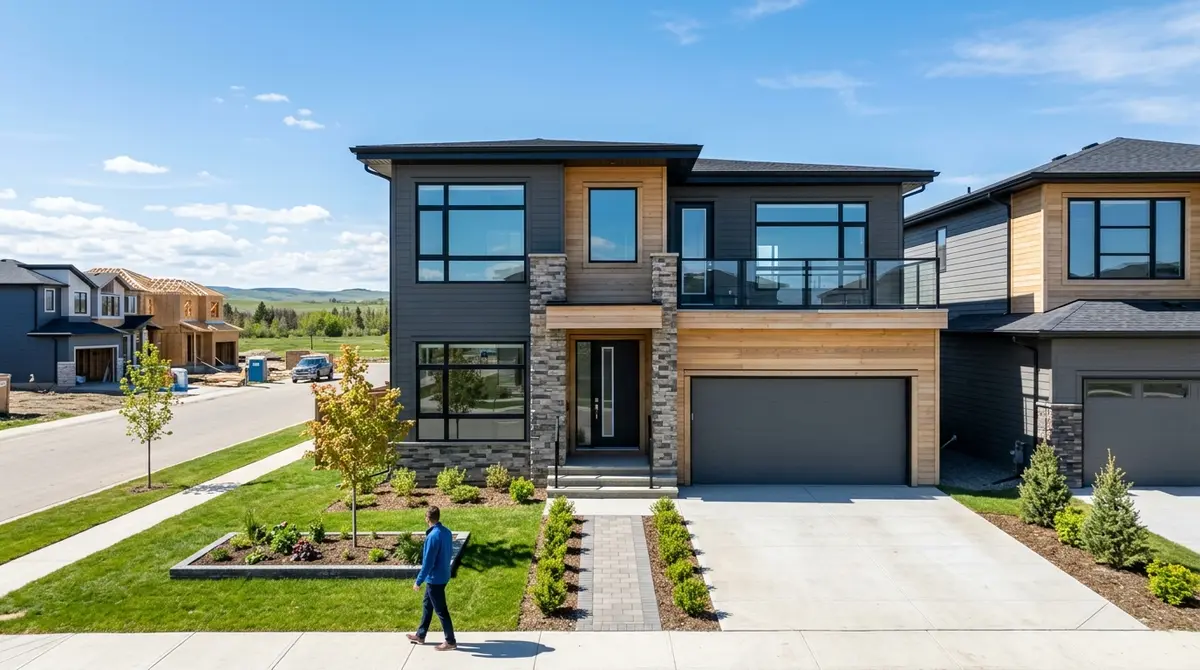
New construction homes in Alberta offer compelling advantages that appeal to buyers seeking modern living experiences, predictable maintenance, and long-term value protection. The contemporary approach to home building incorporates advanced materials and innovative design concepts that simply cannot be replicated in older properties without extensive retrofitting.
Advanced Energy Efficiency and Building Codes
Energy efficiency represents perhaps the most significant advantage of new builds. The Government of Alberta’s updated building codes mandate stringent thermal performance standards. Modern insulation techniques, high-performance triple-pane windows, and advanced HVAC systems dramatically reduce utility costs while providing superior comfort throughout Alberta’s challenging climate conditions.
As Sarah Jenkins, Senior Analyst at the Alberta Real Estate Association (AREA), explains: “The 2026 Alberta building codes have fundamentally shifted the value proposition of new construction. We are seeing homes that prioritize thermal performance and long-term sustainability, reducing winter heating costs by up to 30% compared to homes built in the early 2000s.”
Comprehensive Warranty Protection
Warranty protection provides another crucial benefit. Under the province’s mandatory program, new homes include comprehensive coverage structured over a 1-2-5-10 year timeline. This covers materials and labor for the first year, delivery and distribution systems for two years, building envelope protection for five years, and major structural elements for a full decade. This financial security against unexpected repair costs allows new homeowners to budget predictably.
The Appeal of Resale Properties in Established Communities
While new builds offer pristine conditions, resale homes in Alberta present numerous advantages that make them highly attractive for buyers seeking value, character, and immediate community connections. These properties offer proven performance and often more competitive pricing per square foot.
Mature Infrastructure and Landscaping
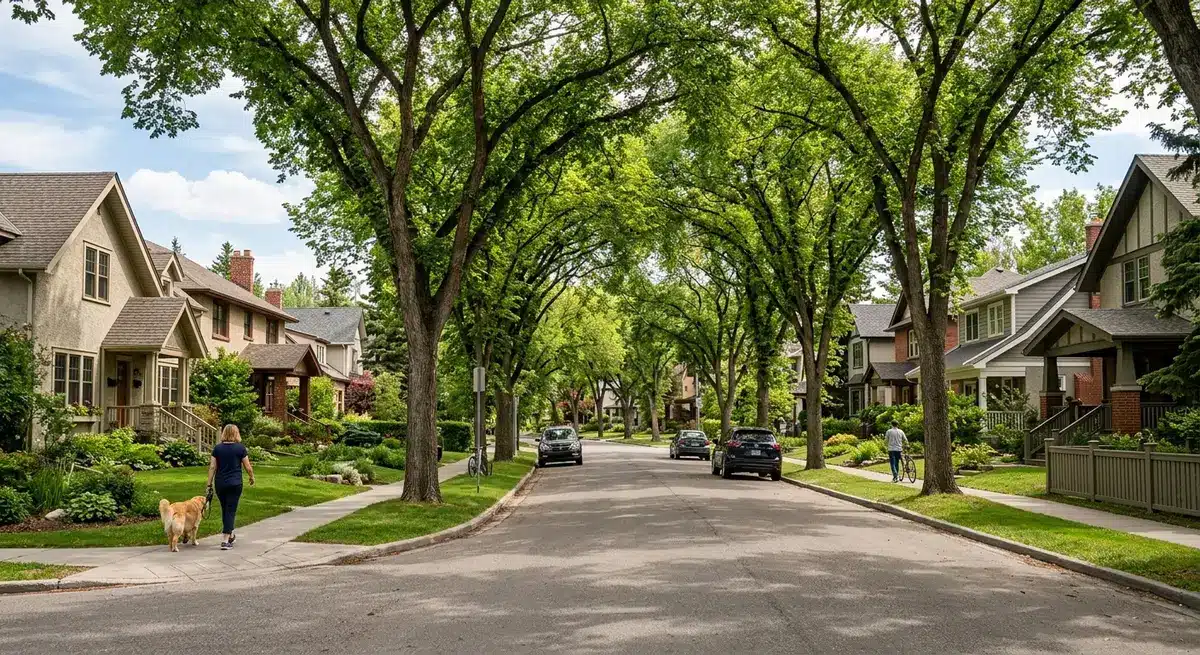
Established neighborhoods represent one of the most compelling aspects of resale home purchases. These communities have developed over decades to include mature amenities, proven infrastructure, and stable social dynamics. Buyers can evaluate school performance, traffic patterns, and community culture before making a commitment.
Furthermore, mature landscaping provides immediate aesthetic appeal and environmental benefits. Established trees and developed gardens create attractive outdoor spaces while providing natural cooling and privacy. The time and cost required to achieve similar landscaping maturity in new developments can exceed $20,000 and take over a decade to realize.
Immediate Occupancy and Proven Performance
Immediate occupancy eliminates the uncertainty associated with construction timelines. Resale transactions typically close within 30 to 60 days, allowing buyers to move according to their specific scheduling needs. Additionally, the ability to inspect actual performance rather than projected specifications provides confidence. Buyers can assess how a home’s foundation has settled over 15 years, identifying any recurring issues through professional inspections.
Marcus Thorne, Principal Broker at Prairie Property Investments, notes: “While new builds offer predictable maintenance costs, resale homes in mature Edmonton and Calgary neighborhoods provide immediate equity potential through strategic renovations. You are buying the location and the land value, which often appreciates faster than the structure itself.”
Head-to-Head Comparison: New Build vs. Resale
To simplify the decision-making process, it is helpful to evaluate both options across key performance indicators. The following table breaks down the primary differences between new construction and resale homes in the current 2026 market.
| Feature | New Build Homes | Resale Homes |
|---|---|---|
| Purchase Price | Typically 10-20% higher premium | More affordable entry point |
| Move-In Timeline | 6 to 12 months (subject to delays) | 30 to 60 days |
| Maintenance Costs | Minimal for the first 5-7 years | Immediate budget required for repairs |
| Energy Efficiency | High (Built to 2026 codes) | Variable (Depends on previous upgrades) |
| Neighborhood | Developing, amenities may be delayed | Established, mature trees, proven schools |
Financial Considerations and Investment Potential
The financial implications of choosing between new and resale extend far beyond the initial purchase price. Buyers must account for comprehensive closing costs, property taxes, and long-term appreciation rates. New builds often require buyers to purchase upgrades and landscaping packages that might come standard in a resale home, further increasing total investment requirements.
However, new construction buyers may benefit from specific provincial tax incentives and rebates designed to encourage energy-efficient building practices. Additionally, the financing structure differs. Securing a mortgage for a new build often involves draw mortgages or builder-financed structures, whereas resale homes utilize traditional mortgage products.
Dr. Elena Rostova, Housing Economist at the University of Calgary, advises: “Buyers must weigh the 15% average price premium of new construction against the immediate community integration offered by a 15-year-old resale property. From an investment standpoint, resale homes in core areas currently show a 4.2% higher year-over-year appreciation rate compared to peripheral new builds.”
Step-by-Step Guide: How to Choose Between New and Resale
Making the right decision requires a systematic approach to evaluating your personal and financial circumstances. Follow these steps to clarify your housing priorities:
- Assess Your Timeline: Determine exactly when you need to move. If you are relocating for a job starting in two months, a resale home is your only viable option. If you have a flexible living situation, you can accommodate a 9-month build.
- Evaluate Your Financing: Speak with a mortgage broker to understand your borrowing capacity. Review the latest financing options available to determine if you can comfortably float the deposit structure required by most home builders.
- Analyze Location Preferences: Decide if you prefer the urban core or the suburbs. If you want to live downtown, your options will lean heavily toward resale or infill. If you prefer quiet, family-oriented suburbs, new construction becomes highly viable.
- Factor in Maintenance Tolerance: Be honest about your DIY skills and maintenance budget. If you despise weekend home repair projects, the warranty protection of a new build is invaluable.
- Conduct a Walkthrough: Whether buying new or used, always perform a rigorous inspection. For new builds, the pre-possession orientation meeting is critical for identifying deficiencies before taking the keys.

Navigating Construction Delays and Timelines
If you lean toward new construction, you must prepare for potential timeline fluctuations. Construction delays represent a persistent challenge, particularly in Alberta’s climate where severe winter weather can significantly impact building schedules. Factors such as extended freezing periods, spring flooding, and municipal permit approval backlogs can extend timelines.
While the severe supply chain disruptions of the early 2020s have largely resolved, localized material shortages still occur. David Chen, Director of Operations at the Alberta Builders Association, states: “Supply chain stabilization in 2026 has reduced new home construction delays significantly, but winter weather in Alberta still necessitates a 10% buffer in timeline expectations. Buyers should never schedule their moving truck for the exact day their contract estimates completion.”
Understanding the common causes of construction delays allows buyers to negotiate better terms in their purchase agreements and arrange flexible temporary housing if necessary.
Regional Market Variations: Urban vs. Rural
It is also vital to recognize that the new vs. resale debate shifts depending on where you are in Alberta. The dynamics in a major metropolitan area differ vastly from those in smaller municipalities. In Calgary and Edmonton, land scarcity in the urban core drives up the price of resale homes, making suburban new builds an attractive alternative for young families.
Conversely, rural construction projects face different challenges. Building a new home outside major centers often involves additional costs for utility hookups, septic systems, and well drilling. In these areas, purchasing an existing acreage with proven infrastructure often presents a more secure financial investment than starting from raw land.
Conclusion
The choice between a new build and a resale home in Alberta is a complex decision that balances financial capacity, lifestyle desires, and risk tolerance. New homes offer unparalleled efficiency, customization, and peace of mind through warranties, albeit at a premium price and with longer wait times. Resale homes counter with established charm, mature neighborhoods, and immediate availability, requiring buyers to embrace the quirks and maintenance of an older property.
By carefully evaluating the 2026 market conditions, understanding your personal timeline, and consulting with real estate professionals, you can secure a property that serves as both a comfortable home and a sound financial investment. Ready to explore your options in the Alberta market? Contact our team today to discuss your real estate goals and find the perfect property for your future.
Frequently Asked Questions
Is it cheaper to buy a new build or a resale home in Alberta?
Generally, resale homes are cheaper upfront. In 2026, new builds in Alberta carry an average 10% to 20% price premium over comparable resale homes due to modern building codes, new materials, and warranty inclusions. However, new builds often have lower maintenance and utility costs in the first five years.
Do new builds in Alberta come with a warranty?
Yes, the Alberta New Home Buyer Protection Act mandates that all new homes include a comprehensive warranty. This includes 1-year coverage on finishes, 2 years on delivery systems (HVAC, plumbing), 5 years on the building envelope, and 10 years on major structural components.
How long does it take to build a new home in Alberta in 2026?
On average, building a new home in Alberta takes between 6 and 12 months from the time the contract is signed. This timeline can fluctuate based on the complexity of the build, municipal permitting speeds, and winter weather conditions.
Are resale homes less energy efficient than new builds?
Typically, yes. Homes built to the 2026 Alberta building codes are up to 25% more energy-efficient than homes built just ten years ago. Resale homes can be upgraded with new windows and insulation, but achieving the thermal performance of a modern new build requires significant renovation capital.
Can I negotiate the price of a new construction home?
While base prices for new builds are often firm, buyers can frequently negotiate on upgrades, lot premiums, or closing costs. Builders are more likely to offer incentives like upgraded appliances or landscaping packages rather than dropping the base purchase price.
What are the hidden costs of buying a new build?
Hidden costs in new builds often include landscaping, fencing, deck construction, and window coverings, which are rarely included in the base price. Additionally, buyers must account for the Goods and Services Tax (GST), though a portion may be rebated depending on the home’s purchase price.
Is a home inspection necessary for a new build?
Yes, hiring an independent home inspector for a new build is highly recommended. While the home undergoes municipal inspections during construction, a private inspector can identify minor defects or incomplete work before your final walkthrough and possession day.
Do resale homes hold their value better than new builds?
Resale homes in mature, highly desirable neighborhoods often appreciate faster due to land scarcity and established community amenities. New builds may experience slower initial appreciation as the surrounding community and commercial infrastructure take several years to fully develop.


