



Barrier-free common areas in Alberta’s multi-residential properties require strict adherence to universal design principles, ensuring all shared spaces—from entrances and elevators to laundry facilities—are fully navigable by individuals with diverse physical and cognitive abilities. In 2026, meeting these comprehensive accessibility standards involves integrating specific doorway widths, slip-resistant flooring, tactile wayfinding, and automated systems directly into the initial architectural plans rather than relying on costly retrofits. By prioritizing inclusive environments, property developers not only meet stringent provincial and federal housing regulations but also create sustainable, future-proof communities that serve all demographics effectively.
Key Takeaways
- Early Integration: Universal design must be integrated during the initial architectural planning phase to minimize expensive post-construction retrofitting.
- Entrance Specifications: Primary access points require a minimum 32-inch clear opening, automated operators, and robust weather protection suited for Alberta’s climate.
- Interior Navigation: Corridors must maintain at least 44 inches of width, utilizing low-pile or hard-surface flooring to accommodate mobility devices.
- Vertical Transport: Elevator systems need comprehensive visual, auditory, and tactile emergency communication tools, alongside specific 68×54 inch cab dimensions.
- Inclusive Amenities: Shared spaces like laundry rooms, fitness centers, and mail areas must offer multi-level accessibility, including lowered countertops and front-loading machines.
- Financial Benefits: Proactive barrier-free design reduces long-term liability by up to 30% and significantly increases tenant retention rates.
The 2026 Framework for Universal Design in Alberta Housing
The landscape of multi-residential development in Alberta has undergone a profound transformation. Modern housing frameworks now recognize that true accessibility extends far beyond basic compliance checklists. Instead, it demands a holistic approach known as universal design—a philosophy that anticipates the diverse needs of all residents, ensuring that accessibility features enhance rather than compromise the aesthetic and functional appeal of a building.
According to Statistics Canada, approximately 27% of Canadians aged 15 and older identify as having a disability. This demographic reality heavily influences 2026 housing development strategies, pushing builders to look beyond minimum code requirements. Universal design ensures that spaces work seamlessly for people of all abilities without requiring specialized, stigmatizing adaptations.
As Dr. Sarah Jenkins, Director of Urban Planning at the University of Alberta, explains: “Accessibility is no longer an afterthought; it is the cornerstone of sustainable multi-residential development in 2026. When we design for the margins, we create better, more resilient living environments for the majority.” This shift in perspective is particularly evident when developers evaluate new home accessibility features during the conceptual phase of a project.
Entrance and Egress: The First Line of Accessibility
Entrance and egress accessibility represents the foundation of barrier-free common area design. These standards ensure that all residents can enter and exit the building safely and independently, regardless of mobility limitations or assistive device requirements. The specifications governing entrance accessibility encompass comprehensive design considerations that address weather protection, automated door operation systems, and emergency egress procedures.
Primary entrance requirements mandate specific door widths, strictly requiring a minimum clear opening of 32 inches when doors are opened at a 90-degree angle. However, forward-thinking developers in 2026 frequently exceed these minimums, opting for 36-inch clearances to comfortably accommodate larger motorized mobility scooters and specialized wheelchairs. Door hardware specifications require lever-style handles positioned between 34 and 48 inches from the floor, with operating forces that accommodate users with limited hand strength or dexterity.
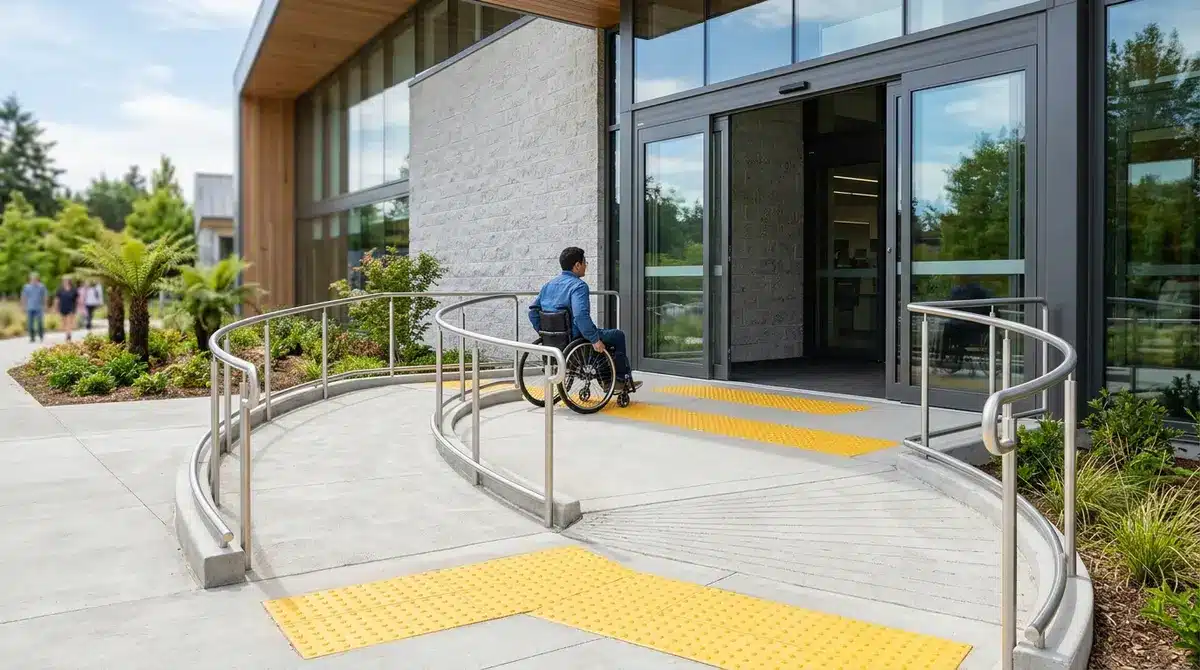
Ramp design standards address both permanent and temporary accessibility solutions. The maximum allowable slope strictly follows the 1:20 ratio for standard walking surfaces and 1:12 for dedicated ramps. Ramp surfaces must provide high-coefficient slip-resistant textures while remaining smooth enough to prevent excessive vibration for wheelchair users. Furthermore, weather protection plays a crucial role, particularly given Alberta’s challenging climate.
“Winter weather in Alberta demands that our barrier-free entrances perform flawlessly at minus thirty degrees,” states David Chen, Building Envelope Specialist at Northern Build Consulting. “Snow management systems and heated vestibule designs are no longer optional luxuries; they are critical accessibility infrastructure.” Understanding these seasonal dynamics is essential when navigating winter construction challenges in the province.
Navigating Interior Common Spaces Safely
Interior common space navigation encompasses the complex network of hallways, corridors, and transitional areas that connect different parts of a property. These spaces must accommodate diverse mobility needs while maintaining efficient traffic flow and emergency egress capabilities. The design requirements address not only physical accessibility but also cognitive and visual accessibility, ensuring that wayfinding remains intuitive.
Hallway width specifications require minimum clear widths of 44 inches for corridors serving multiple dwelling units. These measurements account for two-way traffic involving mobility devices and ensure adequate maneuvering space at intersections. Turning space requirements mandate a minimum 60-inch turning radius at corridor ends and elevators to accommodate wheelchair users.
Flooring specifications play a critical role in navigation. According to the National Building Code of Canada guidelines adapted for 2026, carpet selections must feature a pile height of no more than 0.5 inches to prevent interference with mobility devices. Hard surface flooring must provide appropriate texture without creating vibration issues. Transition strips between different flooring materials must not exceed 0.25 inches in height without a beveled edge, preventing dangerous tripping hazards.
Lighting design standards ensure adequate illumination levels throughout common areas. Corridors must maintain a minimum of 50 lux at floor level, with uniform light distribution to eliminate confusing shadows for residents with visual impairments. These technical specifications are heavily scrutinized during the final housing inspection checklist procedures before occupancy is granted.
Vertical Transportation and Elevator Standards
Elevator and vertical transportation systems must meet stringent accessibility standards that ensure reliable, safe access to all building levels. These requirements extend far beyond basic elevator installation to encompass comprehensive features that address the full spectrum of potential user needs, including mobility, vision, hearing, and cognitive accessibility.
Elevator car dimensions must comfortably accommodate standard wheelchair sizes while providing adequate maneuvering space. Minimum car dimensions require 68 inches deep by 54 inches wide for standard installations. Door opening widths must provide a minimum 32-inch clear opening, equipped with advanced sensor technology that prevents doors from closing when a mobility device is detected in the threshold.
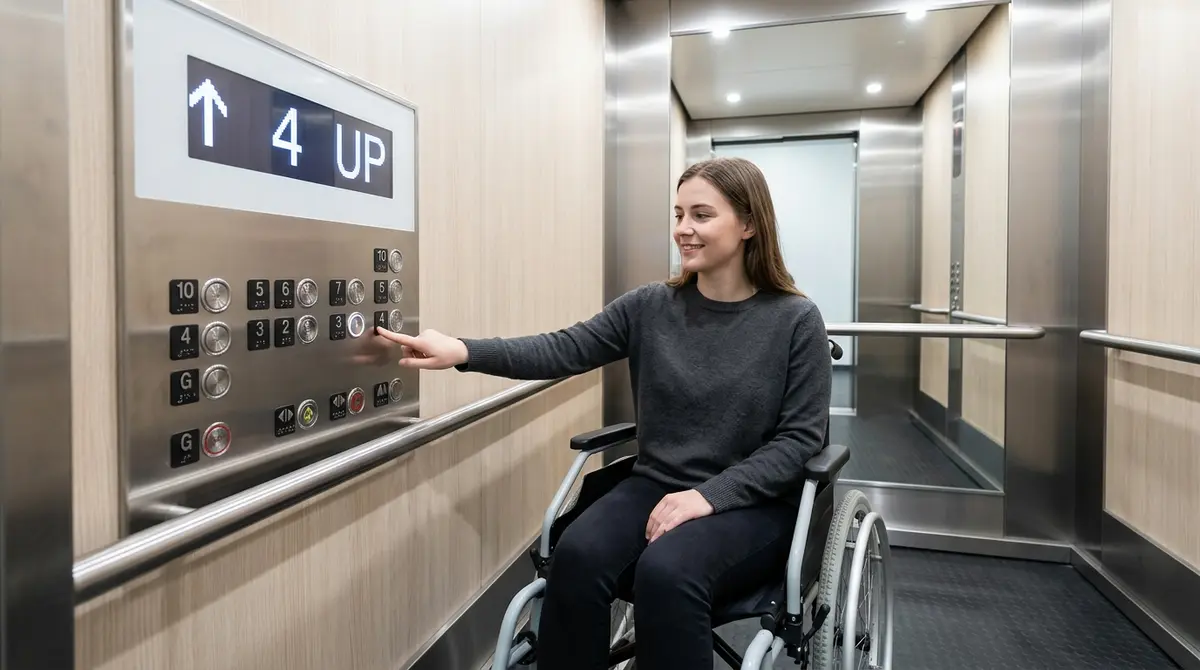
Control panel accessibility requires careful attention to button placement and labeling. Visual indicators must include both raised characters and Braille markings, positioned at a maximum height of 48 inches to remain accessible to wheelchair users. Audio announcement systems must provide clear, understandable information about floor destinations, with volume levels adjustable to ambient noise conditions.
Emergency communication systems within elevators must accommodate users with different communication needs. This includes two-way visual communication systems for hearing-impaired users and direct-line audio systems for those with visual impairments. Backup power systems must maintain elevator accessibility during power outages, a critical feature supported by the Rick Hansen Foundation accessibility certification standards.
Designing Inclusive Community Amenity Spaces
Community amenity spaces—including fitness facilities, laundry rooms, mailbox areas, and recreational spaces—serve as focal points for resident interaction. The accessibility requirements for these areas address both physical access and usability considerations that enable meaningful participation by residents with diverse abilities.
In laundry facilities, accessibility requires front-loading washers and dryers positioned on raised plinths to reduce bending, with a minimum 30-by-48-inch clear floor space for wheelchair approach. Mailbox areas must ensure that assigned compartments for residents with mobility limitations are located within the accessible reach range of 15 to 48 inches from the floor.
| Amenity Space | Standard Design Feature | 2026 Barrier-Free Requirement |
|---|---|---|
| Laundry Rooms | Top-loading machines, standard aisles | Front-loading machines, 60-inch turning radius, lowered folding tables |
| Mailbox Areas | Vertical stacking up to 65 inches | Accessible boxes between 15-48 inches from floor level |
| Community Kitchens | Standard 36-inch counter heights | Multi-level counters (28-34 inches), knee clearance underneath |
| Fitness Centers | Tightly packed equipment layout | 36-inch clear pathways between all machines, transfer spaces |
Step-by-Step Guide: Implementing Barrier-Free Designs in New Builds
For developers and property managers, executing a flawless barrier-free strategy requires a systematic approach. Following a structured methodology ensures compliance while optimizing construction budgets.
- Conduct a Pre-Design Accessibility Audit: Before blueprints are finalized, engage an accessibility consultant to review the conceptual drawings against 2026 provincial standards.
- Select Compliant Materials Early: Source slip-resistant flooring, automated door operators, and specialized plumbing fixtures well in advance to mitigate supply chain delays and manage construction materials cost effectively.
- Integrate Wayfinding into Architecture: Plan for high-contrast color schemes, tactile walking surface indicators (TWSIs), and braille signage during the interior design phase rather than applying them as post-construction decals.
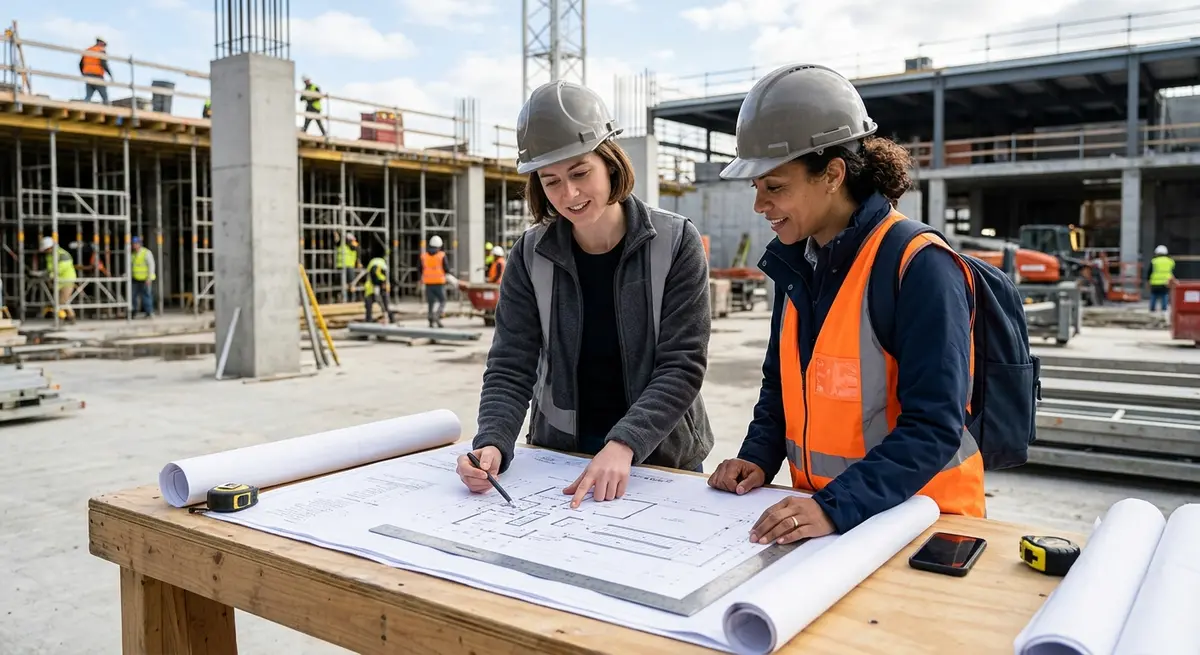
- Execute Mid-Construction Inspections: Verify framing dimensions for doorways (minimum 32-inch clearance) and hallway widths (minimum 44 inches) before drywall is installed. Fixing spatial errors at the framing stage costs significantly less than post-drywall modifications.
- Final Commissioning and Testing: Rigorously test all automated systems, including elevator emergency communications, automated door operators, and visual fire alarms, ensuring they function seamlessly on backup power.
Financial Implications and Long-Term Value
The financial implications of barrier-free design requirements play a significant role in project planning. While initial construction costs may increase marginally due to specialized accessibility features, the long-term economic benefits are substantial. Research from the Alberta Ministry of Municipal Affairs indicates that integrating universal design from the conceptual stage reduces lifetime retrofitting costs by up to 40%.
“The financial models for 2026 clearly show that integrating universal design from day one reduces long-term liability by up to 30%,” notes Elena Rostova, Senior Housing Economist at the Canadian Real Estate Research Institute. “Furthermore, properties with comprehensive barrier-free common areas experience a 15% increase in tenant retention rates compared to standard builds.”
Understanding these economic factors helps developers make informed decisions about design choices. By balancing accessibility requirements with budget constraints, developers can access favorable financing options for Alberta homes that reward inclusive building practices. This strategic approach to development is a recurring theme in recent Alberta real estate market analysis reports, highlighting accessibility as a primary driver of property valuation.
Frequently Asked Questions (FAQ)
What is the minimum hallway width for barrier-free multi-residential buildings in Alberta?
In 2026, the minimum clear width for interior corridors serving multiple dwelling units is 44 inches. This dimension ensures adequate space for two-way traffic involving mobility devices and allows for safe navigation.
How do winter conditions affect accessibility requirements?
Alberta’s severe winter weather requires entrances to have robust snow management systems, slip-resistant surfaces that perform in freezing temperatures, and heated vestibules. These features ensure automated doors and ramps remain fully functional and safe during extreme cold.
Are automated doors mandatory for all common area entrances?
Yes, primary building entrances and major common area access points must feature automated door operators. These systems must include easily reachable push-buttons or motion sensors to accommodate individuals with limited upper-body mobility.
What are the specific dimensions required for accessible elevators?
Standard accessible elevator cabs must measure at least 68 inches deep by 54 inches wide. Additionally, the doors must provide a minimum 32-inch clear opening to allow unimpeded access for motorized wheelchairs and mobility scooters.
How does barrier-free design impact overall construction costs?
When integrated during the initial architectural design phase, barrier-free features typically add only 1% to 3% to total construction costs. However, this upfront investment reduces future retrofitting expenses by up to 40% and significantly increases the property’s market appeal.
Can existing common areas be retrofitted to meet 2026 accessibility standards?
Yes, existing buildings can be retrofitted, though it is often more complex and costly than new construction. Common retrofits include installing ramp systems, widening doorways, upgrading elevator control panels, and replacing high-pile carpets with hard-surface flooring.
Conclusion
Understanding and implementing barrier-free common area requirements is no longer just a regulatory obligation; it is a fundamental aspect of creating sustainable, high-value real estate in Alberta. By embracing universal design principles, developers and property managers ensure that their buildings remain functional, inclusive, and highly desirable for decades to come. From the precise slope of an entrance ramp to the tactile feedback of an elevator button, every detail contributes to a living environment where all residents can thrive independently.
If you are planning a new multi-residential development or need expert guidance on navigating 2026 accessibility standards, our team is here to help. Contact us today to ensure your next project meets the highest standards of inclusive design and market excellence.


