



In 2026, the average house price across Alberta’s major urban centers varies significantly, ranging from approximately $330,000 in regional hubs like Medicine Hat to over $615,000 in Calgary’s highly competitive market. Edmonton maintains a balanced middle ground, with detached homes averaging $465,000. Understanding these current pricing dynamics is essential for anyone looking to enter the province’s resilient property market.
Key Takeaways
- Calgary Leads in Valuation: Average detached homes in Calgary command between $580,000 and $650,000, driven by strong corporate migration and tech sector growth.
- Edmonton Offers Stability: The provincial capital provides excellent value, with average prices hovering around $465,000 and strong government sector employment.
- Regional Affordability: Cities like Red Deer, Lethbridge, and Medicine Hat offer housing options 30% to 40% below major metropolitan averages.
- Interprovincial Migration: Record numbers of Canadians relocating to Alberta continue to put upward pressure on housing inventory and benchmark prices.
- New Construction Premium: Modern, energy-efficient new builds command a 10-15% premium over resale homes due to updated 2026 building codes.
The 2026 Alberta Real Estate Landscape: An Economic Overview
Alberta’s real estate market continues to evolve as one of Canada’s most dynamic and diverse housing landscapes. The current pricing environment reflects a complex interplay of economic factors, population growth, and regional development patterns. Unlike other Canadian provinces that have seen dramatic market corrections, Alberta has demonstrated remarkable resilience, supported by robust economic fundamentals and relative affordability.
Data from Statistics Canada indicates that interprovincial migration to Alberta remains at historic highs in 2026. This demographic shift is primarily driven by younger professionals and families seeking relief from the prohibitive housing costs in British Columbia and Ontario. As these new residents enter the market, they create sustained demand across multiple housing segments, from entry-level condominiums to luxury single-family homes.
“Alberta’s housing market in 2026 represents a unique convergence of affordability and high economic output,” notes Dr. Sarah Jenkins, Chief Economist at the Prairie Real Estate Institute. “We are seeing a structural shift where the province is no longer just a boom-and-bust energy market, but a diversified economic powerhouse attracting long-term real estate capital.”
To fully grasp these macroeconomic shifts, astute buyers should regularly review current housing trends to time their market entry effectively. Understanding the absorption rate—the rate at which available homes are sold in a specific market during a given time period—is critical for identifying whether you are entering a buyer’s or seller’s market.
Calgary Housing Market: Leading Provincial Price Trends
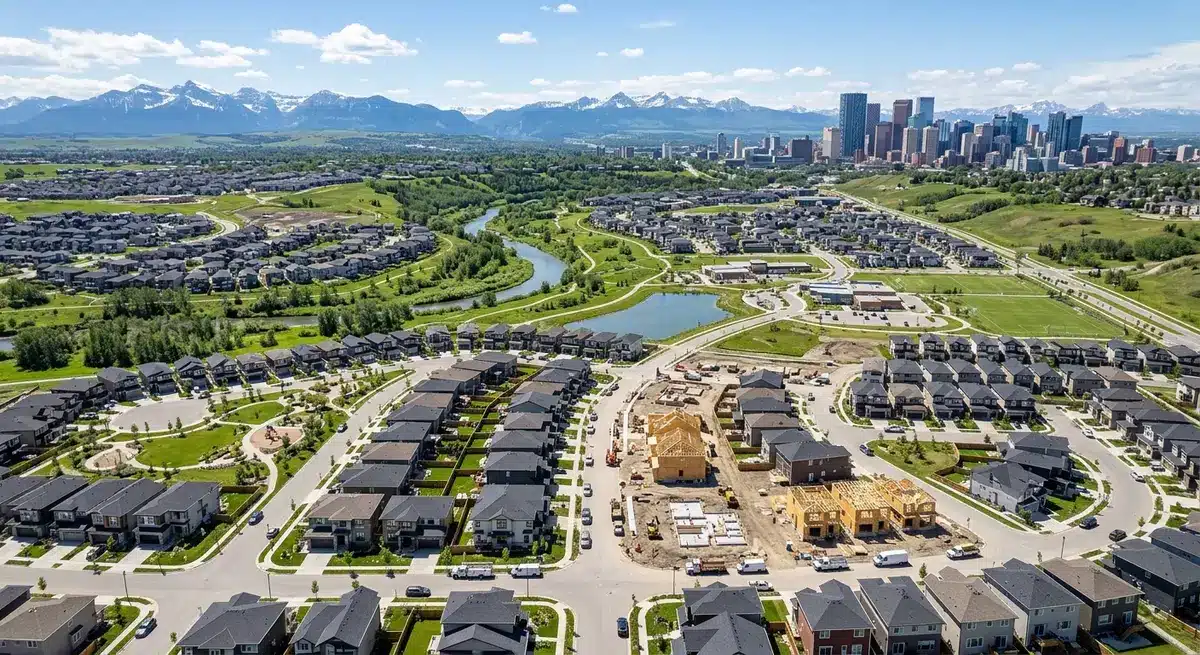
Calgary stands as Alberta’s largest city and primary economic hub, driving the province’s most dynamic real estate market. The city’s average home prices reflect its world-class urban amenities, growing technology sector, and status as a corporate headquarters destination. In 2026, current market data shows single-family detached homes averaging approximately $615,000, with premium neighborhoods significantly exceeding this benchmark.
The city’s diverse quadrants create substantial price variations. Established inner-city communities like Mount Royal, Altadore, and Elbow Park command premium pricing, often exceeding $1.2 million for detached properties. Conversely, emerging suburban developments in the deep south and northwest offer more accessible entry points for first-time buyers, typically ranging from $550,000 to $600,000. These price differentials require buyers to conduct thorough comparative market analysis before making an offer.
Calgary’s condominium market presents an attractive alternative for urban professionals and downsizers. Average condo prices currently range from $310,000 to $450,000, depending heavily on location and building amenities. Downtown high-rise units typically command higher prices per square foot than suburban townhouse-style units, reflecting the premium placed on walkability and proximity to the downtown commercial core.
Edmonton Real Estate: The Capital’s Competitive Advantage
Edmonton’s housing market offers compelling alternatives to Calgary’s higher pricing, making it an increasingly popular destination for budget-conscious buyers and yield-focused investors. As the provincial capital, Edmonton benefits from stable government employment, a massive healthcare sector, and a booming logistics industry. Average home prices for single-family detached properties in 2026 typically range from $440,000 to $520,000.
The city’s established neighborhoods showcase significant character and intrinsic value. Areas like Glenora, Westmount, and Crestwood offer mature, tree-lined streets at highly competitive prices compared to similar communities in other major Canadian cities. For families looking to relocate, researching the best neighbourhoods for families is crucial, as school catchments and community league amenities heavily influence long-term property values.
Edmonton’s condominium and townhouse markets provide highly accessible ownership opportunities. With average prices ranging from $240,000 to $380,000, young professionals can easily transition from renting to owning. Furthermore, the city’s extensive river valley park system creates unique opportunities for properties with natural settings, enhancing their long-term appreciation potential. Investors closely monitoring Edmonton property market trends note that the city’s capitalization rates (cap rates) remain some of the most attractive in Western Canada.
Regional Centers: Affordability Meets Opportunity
Alberta’s regional centers offer significant housing affordability advantages while maintaining excellent access to employment opportunities and modern community amenities. Cities like Red Deer, Lethbridge, and Medicine Hat provide viable alternatives to major urban center pricing, with average home prices typically 30% to 40% lower than their metropolitan counterparts.
| Alberta City | Average Detached Home Price (2026) | Year-Over-Year Growth | Primary Economic Driver |
|---|---|---|---|
| Calgary | $615,000 | + 4.5% | Energy, Tech, Corporate HQ |
| Edmonton | $465,000 | + 3.2% | Government, Logistics, Education |
| Red Deer | $395,000 | + 2.8% | Manufacturing, Agriculture |
| Lethbridge | $365,000 | + 3.0% | Agriculture, Education |
| Medicine Hat | $330,000 | + 2.1% | Natural Gas, Green Energy |
Red Deer, strategically positioned in the bustling corridor between Calgary and Edmonton, has emerged as a top choice for buyers seeking a smaller-city lifestyle without sacrificing big-city accessibility. Average home prices here sit around $395,000. Meanwhile, Lethbridge benefits from its role as a southern regional service center and home to two major post-secondary institutions, keeping housing demand consistent.
“We are seeing unprecedented demand in secondary markets like Red Deer and Lethbridge, driven by remote work flexibility and a search for lower density living,” explains Marcus Thorne, Senior Market Analyst at Western Property Group. This shift underscores the importance of looking beyond the two major cities when evaluating the Alberta real estate market analysis for long-term growth potential.

Key Factors Influencing Alberta Property Values in 2026
Alberta’s housing prices reflect a complex interaction of economic, demographic, and policy factors. Understanding these underlying influences helps buyers make informed decisions about timing, location, and investment potential in today’s sophisticated market environment.
Interest rate environments and mortgage lending conditions directly influence buyer purchasing power. Following the stabilization of rates by the Bank of Canada, consumer confidence has rebounded significantly in 2026. This stabilization has brought sidelined buyers back into the market, increasing competition for available inventory and reducing the average days on market (DOM) for well-priced properties.
Economic diversification efforts across Alberta continue to influence housing demand patterns. Cities that have successfully attracted technology startups, renewable energy projects, and advanced manufacturing facilities are showing increased housing market activity. While the traditional energy sector remains a vital economic pillar, this newfound diversification has insulated the housing market from the historical volatility associated with global oil price fluctuations.
Step-by-Step Guide: Navigating the Alberta Housing Market
Purchasing a home in Alberta’s 2026 market requires a strategic, well-researched approach. Whether you are a first-time buyer or a seasoned investor, following a structured process minimizes risk and maximizes value.
- Assess Your Financing Capacity: Before browsing properties, secure a mortgage pre-approval. Explore various financing options for Alberta homes to understand your true purchasing power in the current interest rate environment.
- Define Your Location Strategy: Evaluate cities and neighborhoods based on your lifestyle needs, commute times, and long-term appreciation potential. Use the comparative data provided above to narrow down your target markets.
- Analyze Local Market Data: Review recent sold prices in your target neighborhoods. Do not rely solely on listing prices, as they often do not reflect the final transaction value.
- Conduct Rigorous Due Diligence: Never waive property inspections. Utilize a comprehensive housing inspection checklist to identify potential structural issues, outdated electrical systems, or plumbing concerns before finalizing the purchase.
- Negotiate and Close: Work with a qualified local real estate professional to draft a competitive offer. In multiple-offer scenarios, flexibility on possession dates can sometimes be as persuasive as a higher purchase price.
New Construction vs. Resale: Where is the Value?
A critical decision for many buyers in 2026 is choosing between a newly constructed home and an existing resale property. Both options present distinct financial and lifestyle advantages depending on the buyer’s specific circumstances.
New construction homes offer modern floor plans, energy-efficient HVAC systems, and the peace of mind that comes with the Alberta New Home Warranty Program. Furthermore, homes built in 2026 adhere to stringent new building codes designed to maximize thermal efficiency. However, buyers must be aware of fluctuating construction material costs, which can impact the final price of custom builds and pre-construction contracts.
Conversely, resale homes in established neighborhoods offer mature landscaping, immediate availability, and historically proven property values. While they may require updates or renovations, resale properties often sit on larger lots than their newly built counterparts. According to the Canadian Real Estate Association (CREA), the price gap between new builds and resale homes in Alberta currently sits at approximately 12%, reflecting the premium buyers are willing to pay for turnkey, modern properties.

Frequently Asked Questions
What is the average house price in Calgary right now?
In 2026, the average house price in Calgary ranges from $580,000 to $650,000 for a single-family detached home. Prices vary significantly based on the quadrant, with the inner-city and southwest neighborhoods typically commanding the highest premiums.
How do Edmonton home prices compare to Calgary?
Edmonton generally offers more affordable housing options than Calgary, with average detached home prices sitting around $465,000. This price differential of roughly $150,000 makes Edmonton highly attractive for buyers prioritizing budget without sacrificing major city amenities.
Which Alberta cities offer the most affordable housing?
Regional centers like Medicine Hat, Lethbridge, and Red Deer provide the most affordable housing in the province. Average home prices in these cities range from $330,000 to $395,000, offering excellent value for families and remote workers.
Are Alberta house prices expected to drop in 2026?
Market indicators suggest that Alberta house prices will remain stable or experience modest appreciation throughout 2026. Strong interprovincial migration and a robust provincial economy continue to support housing demand and prevent significant price drops.
Is it better to buy a new build or a resale home in Alberta?
The choice depends on your priorities. New builds offer modern energy efficiency and warranty protection but come at a 10-15% price premium. Resale homes offer larger lots and mature neighborhoods but may require immediate maintenance or renovation budgets.
How does interprovincial migration affect Alberta real estate?
Record levels of Canadians moving to Alberta from other provinces increase the demand for housing. This population influx absorbs available inventory quickly, putting upward pressure on prices and reducing the average days a property sits on the market.
Conclusion
Navigating the current average house prices in Alberta’s major cities requires a nuanced understanding of regional economic drivers, demographic trends, and localized market data. Whether you are drawn to the corporate energy of Calgary, the stable affordability of Edmonton, or the community-focused lifestyle of regional hubs like Red Deer and Lethbridge, the 2026 Alberta real estate market offers diverse opportunities for every buyer profile.
By leveraging current market statistics, understanding your financing options, and conducting thorough due diligence, you can make a confident and profitable real estate decision in this dynamic province. If you are ready to explore your options or need expert guidance tailored to your specific housing goals, get in touch with our team today to start your Alberta real estate journey.


