


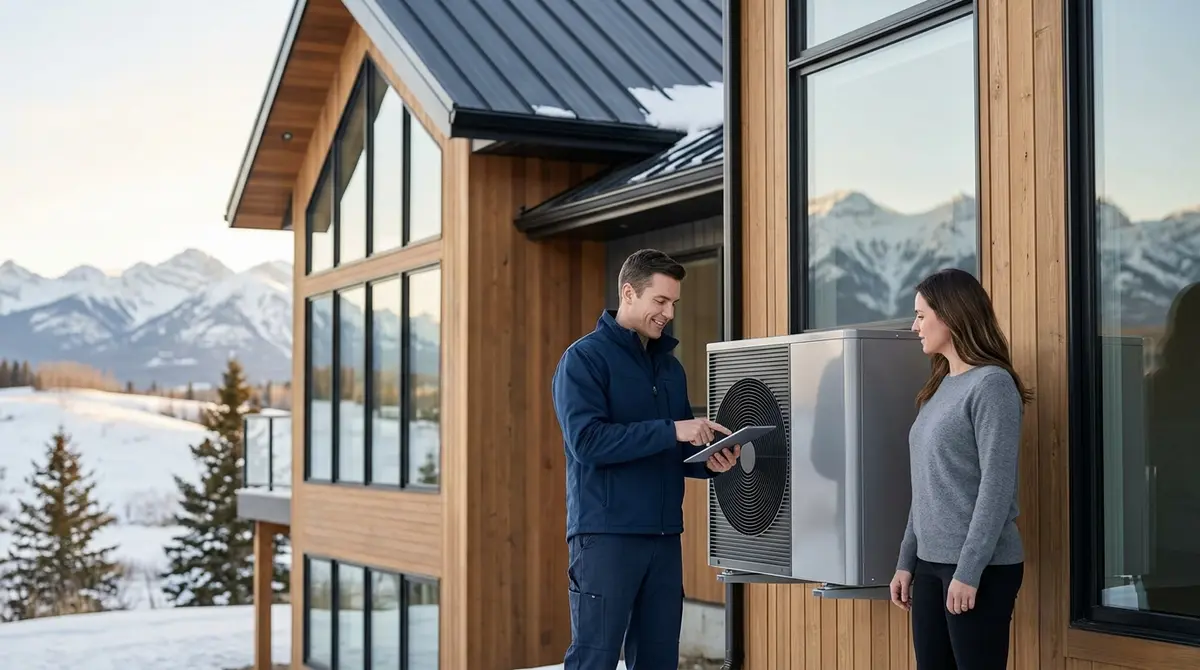
When constructing a property in 2026, selecting the right energy-efficient heating system for a new home in Alberta requires balancing extreme winter performance with long-term operational costs. The most effective solutions currently available are cold-climate air source heat pumps (ccASHPs), ground source (geothermal) heat pumps, ultra-high-efficiency gas furnaces (98%+ AFUE), and dual-fuel hybrid systems. By integrating these advanced HVAC technologies with a tight building envelope, property owners can drastically reduce greenhouse gas emissions, lower monthly utility bills, and future-proof their real estate investments against rising carbon pricing.
Key Takeaways
- Cold-Climate Heat Pumps: Modern ccASHPs can now operate efficiently in temperatures as low as -30°C, making them highly viable for Alberta winters.
- Geothermal ROI: Ground source heat pumps offer up to 400% efficiency, providing the lowest operational costs for multi-unit and large-scale developments.
- Hybrid Systems: Combining a heat pump with a high-efficiency gas furnace provides optimal reliability and cost-effectiveness during extreme cold snaps.
- Carbon Tax Impact: With the federal carbon price reaching $170 per tonne in 2026, shifting away from standard fossil-fuel heating yields significant financial savings.
- Building Envelope Synergy: Heating efficiency is heavily dependent on superior insulation and airtightness, reducing overall heating loads by up to 25%.
The Shift Toward High-Efficiency Heating in Alberta’s 2026 Housing Market
The landscape of residential construction in the Prairies has transformed significantly. Historically, natural gas was the undisputed king of winter warmth. However, evolving building codes, stringent environmental targets, and rising energy costs have shifted the focus toward sustainable alternatives. According to Natural Resources Canada (NRCan), space heating accounts for approximately 62% of all energy used in Canadian homes. Addressing this massive energy draw is the most effective way to improve a property’s overall efficiency.
In 2026, the federal carbon pricing framework has reached $170 per tonne. This economic reality means that relying solely on traditional, lower-efficiency natural gas systems is becoming increasingly expensive over the lifespan of a property. Builders and investors are now prioritizing systems that minimize carbon output while maximizing thermal comfort. As Elena Rostova, Director of Sustainable Housing Initiatives, explains: “Transitioning to ultra-high-efficiency systems isn’t just an environmental choice in 2026; it’s a fundamental economic strategy for property valuation and long-term asset performance.”
Furthermore, evaluating the environmental impact of new home construction is now a standard part of the development process. Municipalities across Alberta are encouraging net-zero ready builds, pushing the market toward electrification and advanced thermal management.
Top Energy-Efficient Heating Systems for New Builds
Choosing the optimal thermal system requires understanding the specific technologies dominating the market today. Here is a detailed breakdown of the premier heating solutions for modern Alberta properties.
1. Cold-Climate Air Source Heat Pumps (ccASHPs)
Air source heat pumps have evolved dramatically. While older models struggled in sub-zero temperatures, 2026 cold-climate variants utilize variable-speed inverter compressors and advanced refrigerants to extract ambient heat from the air even when it is -30°C outside. These systems provide both heating in the winter and cooling in the summer, eliminating the need for a separate air conditioning unit.
Dr. Ian MacDonald, Senior Researcher at the Canadian Centre for Energy Advancement, notes: “Modern cold-climate heat pumps have revolutionized how we approach winter comfort in the Prairies, offering reliable performance even when temperatures plummet.” While their Coefficient of Performance (COP) drops during extreme cold snaps, they still operate at over 100% efficiency for the vast majority of the heating season, far outpencing traditional combustion.
2. Geothermal (Ground Source) Heat Pumps
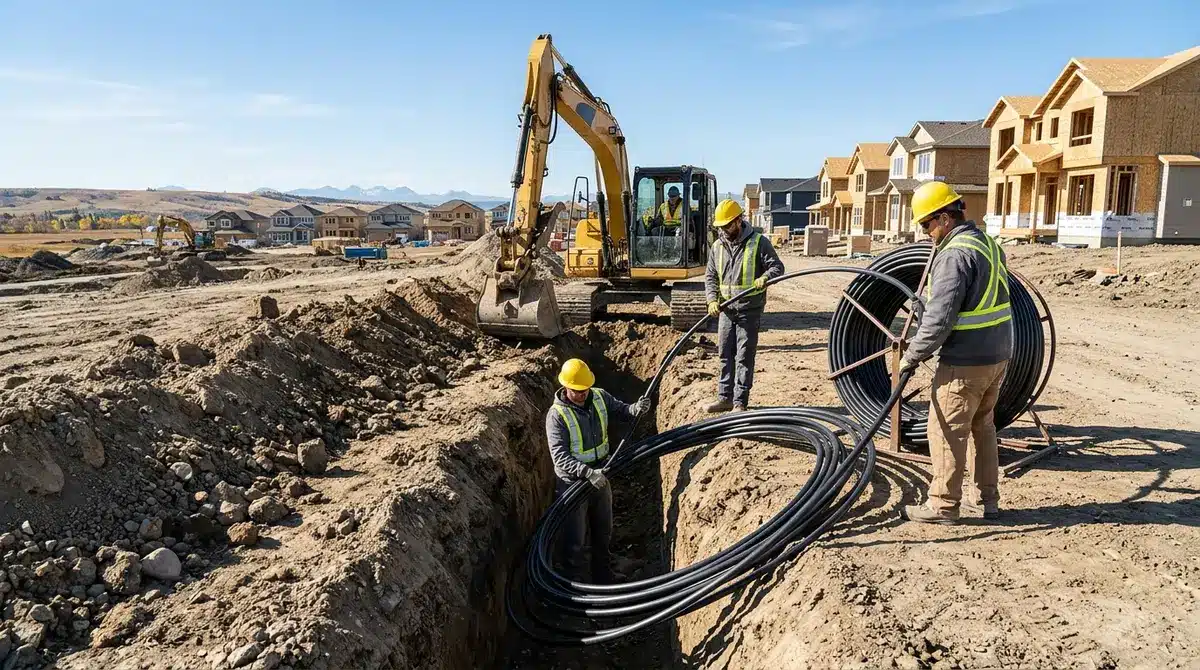
For those looking for the pinnacle of efficiency, geothermal systems utilize the stable temperatures found a few meters below the earth’s surface. Regardless of the freezing air temperatures above ground, the soil remains a constant 6°C to 8°C. A mixture of water and antifreeze circulates through buried pipes, absorbing this heat and transferring it indoors.
Geothermal systems boast efficiency ratings of 300% to 400%, meaning they produce up to four units of heat for every one unit of electricity consumed. “For multi-unit developments, investing in geothermal infrastructure upfront drastically reduces operational overhead and shields owners from volatile fossil fuel markets,” states Sarah Jenkins, Lead Mechanical Engineer at EcoBuild Alberta. While the initial drilling and installation costs are high, the payback period is typically 7 to 12 years, making it an exceptional choice for long-term holds.
3. Ultra-High-Efficiency Gas Furnaces
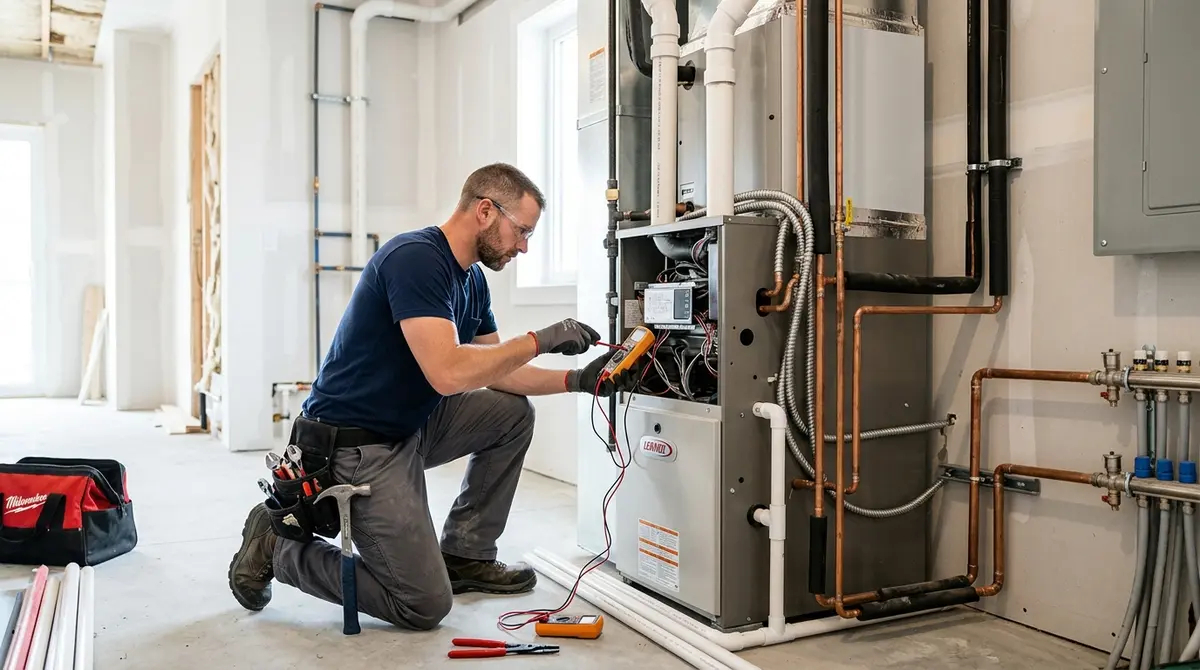
While electrification is the trend, natural gas remains highly relevant in Alberta due to local abundance and grid capacity. However, the standard has shifted to ultra-high-efficiency modulating furnaces. These units achieve an Annual Fuel Utilization Efficiency (AFUE) of 98% to 98.5%. They feature secondary heat exchangers that capture condensing exhaust gases, extracting almost every drop of thermal energy before venting.
When paired with variable-speed blowers, these furnaces provide consistent, quiet heat without the dramatic temperature swings associated with older single-stage models. They are often the most cost-effective upfront solution, though they do not offer the carbon-reduction benefits of heat pumps.
4. Hybrid (Dual-Fuel) Heating Systems
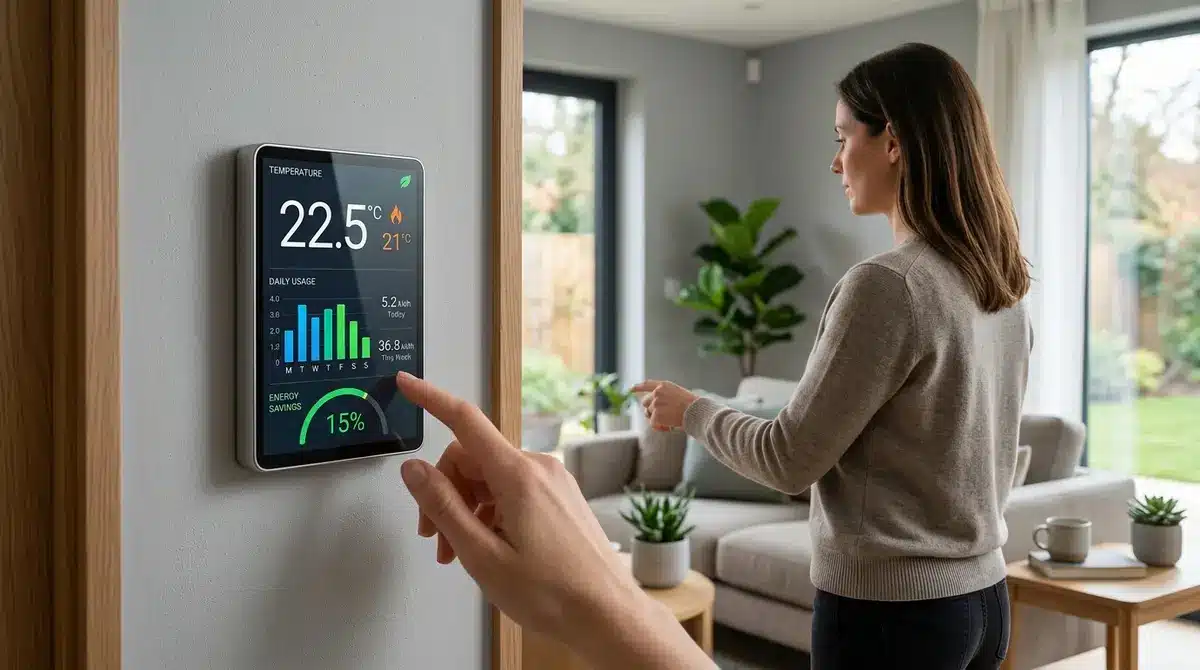
A hybrid system is arguably the most pragmatic choice for the Alberta climate. It pairs a cold-climate heat pump with a high-efficiency gas furnace. A smart thermostat automatically switches between the two fuel sources based on outdoor temperatures and current utility rates.
During milder winter days (e.g., 0°C to -15°C), the heat pump handles the load efficiently. When an extreme polar vortex hits and temperatures drop to -40°C, the system seamlessly transitions to the gas furnace. Research from the Pembina Institute indicates that hybrid systems can reduce residential greenhouse gas emissions by up to 30% compared to gas-only setups, while ensuring absolute reliability during grid strain.
5. Hydronic Radiant In-Floor Heating
Radiant heating involves pumping heated water through PEX tubing embedded in the concrete foundation or subfloor. This system warms the room from the ground up, providing unparalleled comfort. Because water is a superior thermal conductor compared to air, radiant systems can be operated at lower temperatures while achieving the same level of human comfort.
Studies show that radiant heating reduces energy consumption by 15% to 20% compared to forced-air systems. It is completely silent, reduces the circulation of dust and allergens, and pairs beautifully with geothermal or high-efficiency boiler systems. It is highly recommended to consider this when evaluating worthwhile new home upgrades during the design phase.
Comparing Heating Options: Costs, Efficiency, and Lifespan
To make an informed decision, property owners must evaluate the upfront capital expenditure against long-term operational savings. The table below outlines the key metrics for each system in the 2026 market.
| Heating System | Estimated Upfront Cost (CAD) | Efficiency Rating | Expected Lifespan | Best Suited For |
|---|---|---|---|---|
| ccASHP | $12,000 – $18,000 | 200% – 300% (COP 2.0-3.0) | 15 – 20 Years | Urban builds, net-zero properties |
| Geothermal | $30,000 – $45,000+ | 300% – 400% (COP 3.0-4.0) | 25+ Years (Loop 50+ Years) | Multi-unit developments, rural estates |
| 98% Gas Furnace | $5,000 – $8,000 | 98.5% AFUE | 15 – 20 Years | Budget-conscious builds |
| Hybrid System | $14,000 – $22,000 | Variable based on fuel source | 15 – 20 Years | Standard suburban homes |
How to Choose the Right System for Your Alberta Property
Selecting the ideal HVAC setup is not a one-size-fits-all process. It requires a strategic evaluation of the property’s location, design, and intended use. Follow these steps to determine the best fit:
- Assess Property Location and Infrastructure: The availability of utilities plays a massive role. If you are exploring rural vs urban new home construction, rural properties might lack natural gas lines, making geothermal or ccASHPs paired with solar panels the most logical choice.
- Evaluate Upfront vs. Operational Budgets: Determine your capital availability. While geothermal has a steep initial cost, the monthly savings are substantial. Review the 2026 construction materials cost forecast to see where you can allocate budget toward better mechanical systems.
- Analyze the Building Envelope: A heating system is only as good as the shell it operates within. Ensure your builder is using high R-value insulation and advanced air sealing techniques.
- Consult a Certified Energy Advisor: Before finalizing blueprints, have an energy advisor run a HOT2000 energy model. This software simulates how different heating systems will perform in your specific floor plan under historical Alberta weather conditions.
The Financial Impact: ROI and Energy Savings
For real estate investors and homeowners alike, the return on investment (ROI) of energy-efficient heating is a critical metric. High-efficiency systems directly increase Net Operating Income (NOI) for rental properties by drastically cutting utility expenses. According to Efficiency Canada, properties with advanced energy systems command a 3% to 5% premium on the resale market.
Furthermore, energy efficiency plays a significant role in modern financing. Properties that meet specific energy consumption reduction targets often qualify for specialized mortgage products, extended amortization periods, and reduced insurance premiums. This makes the initial investment in premium heating systems highly lucrative. When comparing new construction vs resale homes, the ability to integrate these systems from the ground up is a major advantage of building new.
Integration with Smart Home Technology and Building Envelopes
Heating technology does not operate in a vacuum. To maximize efficiency, these systems must be integrated with intelligent controls and superior construction materials. The implementation of smart home technology in new builds allows for predictive heating. Smart thermostats analyze weather forecasts, occupancy patterns, and time-of-use electricity rates to optimize when the system runs, saving an additional 10% to 12% on heating costs.
Equally important is the building envelope. Marcus Thorne, a Certified Energy Advisor, emphasizes: “The building envelope is your first line of defense. Even the most advanced hybrid heating system will underperform if the home’s insulation and air sealing are compromised.” Selecting the right materials for new home construction, such as triple-pane windows and continuous exterior rigid insulation, reduces the overall heating load by up to 25%. This allows builders to install smaller, less expensive HVAC equipment.
Finally, airtight homes require mechanical ventilation. Heat Recovery Ventilators (HRVs) or Energy Recovery Ventilators (ERVs) are mandatory in modern builds. These devices exchange stale indoor air with fresh outdoor air while capturing up to 80% of the heat from the exhausted air, ensuring excellent indoor air quality without sacrificing thermal efficiency.
Frequently Asked Questions (FAQ)
Do air source heat pumps actually work in Alberta winters?
Yes. Modern cold-climate air source heat pumps (ccASHPs) are engineered with variable-speed compressors that can extract heat from the air down to -30°C. While a backup heat source is recommended for extreme cold snaps, heat pumps can handle the majority of the winter heating load efficiently.
Is a geothermal heating system worth the high upfront cost?
For properties with high heating demands, such as large estates or multi-unit residential buildings, geothermal is highly cost-effective. The payback period is typically 7 to 12 years, after which the system provides virtually free thermal energy, drastically reducing operational costs.
What is a hybrid heating system?
A hybrid system combines an electric heat pump with a high-efficiency natural gas furnace. A smart thermostat automatically switches between the two systems based on outdoor temperatures and energy rates, providing optimal efficiency and extreme-weather reliability.
How does the carbon tax affect my choice of heating system?
With the federal carbon tax reaching $170 per tonne in 2026, the cost of natural gas has increased significantly. Choosing electric-based systems like heat pumps or geothermal insulates property owners from these rising fossil fuel costs and carbon penalties.
Can I use radiant in-floor heating as my only heat source?
Yes, hydronic radiant in-floor heating can serve as the primary heat source if the home is built with a highly insulated, airtight envelope. However, because radiant systems do not provide air circulation, a separate HRV/ERV system is required for ventilation.
Do energy-efficient heating systems require special maintenance?
While fundamentally similar to traditional systems, high-efficiency units have more complex electronic components. Annual servicing by a certified HVAC technician is essential to clean secondary heat exchangers, check refrigerant levels, and ensure software controls are functioning correctly.
Conclusion
Selecting the right energy-efficient heating options for a new home in Alberta is a critical decision that impacts both immediate comfort and long-term financial viability. Whether you opt for the cutting-edge performance of a cold-climate heat pump, the unparalleled ROI of a geothermal loop, or the reliable pragmatism of a hybrid dual-fuel system, the key is aligning the technology with a robust building envelope. As building codes tighten and energy costs fluctuate, investing in high-efficiency thermal management is the smartest move a property owner can make in 2026.
Ready to plan the mechanical systems for your next development? Contact our team today to discuss how advanced heating solutions can elevate your property’s value and efficiency.


