



Building a new home tailored for seniors in Alberta requires integrating universal design principles, zero-step entries, and advanced safety technologies to ensure long-term independence and comfort. In 2026, the focus of residential development has shifted from retrofitting older properties to constructing purpose-built, accessible residences that comply with the latest provincial safety codes and aging-in-place standards right from the blueprint stage.
Key Takeaways
- Universal Design is Standard: Modern senior homes prioritize 36-inch doorways, zero-threshold showers, and 1500mm turning radiuses for wheelchair accessibility.
- Proactive Structural Planning: Installing structural blocking behind drywall during the framing stage saves thousands in future grab-bar installation costs.
- Technology Integration: Smart home systems for automated lighting, security, and climate control are essential for aging in place safely.
- Financial Incentives: Builders and homeowners can leverage provincial and federal grants, such as the Home Accessibility Tax Credit (HATC), to offset specialized construction costs.
- Multi-Generational Flexibility: Secondary suites and basement developments are increasingly popular for accommodating live-in caregivers or family members.
The Shift Towards Aging-in-Place Architecture in Alberta
As the demographic landscape of Canada shifts, the demand for accessible housing has skyrocketed. According to Statistics Canada, seniors are projected to make up over 20% of Alberta’s population by 2030. This demographic reality has fundamentally altered how residential developers approach new builds.
Historically, seniors were forced to downsize into condominiums or transition into assisted living facilities when their traditional two-story homes became difficult to navigate. Today, the construction industry is embracing “aging-in-place” architecture. This philosophy dictates that a home should evolve with its occupants, accommodating changes in mobility, vision, and overall health without requiring disruptive renovations.
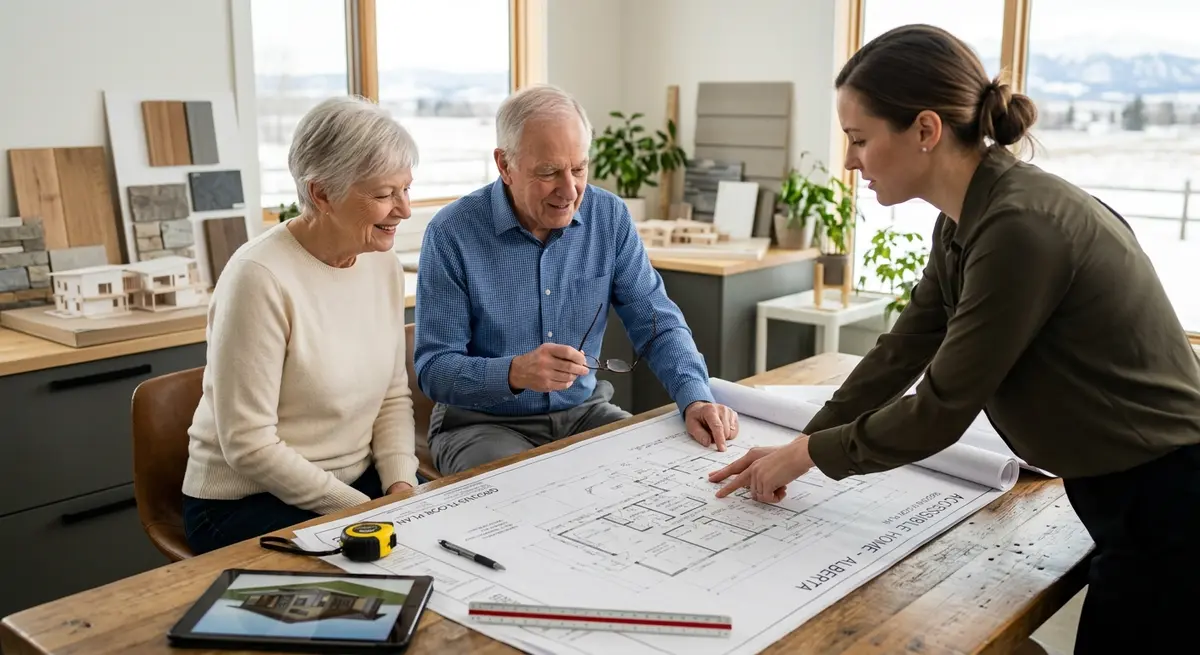
“Designing for longevity means anticipating mobility changes before they happen. Incorporating structural blocking for future grab bars during the framing stage saves thousands in renovation costs later,” explains Marcus Thorne, Lead Architect at the Alberta Accessible Housing Institute. This proactive approach is reshaping the residential construction market across Calgary, Edmonton, and surrounding municipalities.
Essential Universal Design Features for Senior Living
When planning a new residence for older adults, aesthetics must seamlessly blend with functionality. Universal design is a framework for creating living spaces that are inherently accessible to all people, regardless of age or physical ability. Incorporating new home accessibility features during the initial build is significantly more cost-effective than retrofitting later.
Ergonomic Kitchen Layouts
The kitchen is often the heart of the home, but it can present numerous hazards for individuals with limited mobility. Modern senior-friendly kitchens in 2026 feature:
- Varying Counter Heights: Incorporating multi-level countertops allows for food preparation while seated or standing.
- Pull-Down Shelving: Upper cabinets equipped with hydraulic pull-down mechanisms eliminate the need for step stools.
- Induction Cooktops: These appliances remain cool to the touch, drastically reducing burn risks, and often feature front-mounted controls so users do not have to reach across hot surfaces.
- Drawer Appliances: Microwave drawers and dishwasher drawers reduce bending and lifting.
Barrier-Free Bathrooms
Bathrooms are statistically the most dangerous room in the house for seniors. A purpose-built home addresses these risks head-on. Zero-threshold showers (curbless showers) are a mandatory feature, allowing seamless entry for walkers or wheelchairs. Slip-resistant flooring with a high dynamic friction coefficient is essential. Furthermore, comfort-height toilets (typically 17 to 19 inches high) make sitting and standing significantly easier.
Advanced Lighting and Flooring
Vision changes are a natural part of aging. To combat this, builders are maximizing natural light and installing layered, glare-free LED lighting systems. Rocker-style light switches placed at a maximum height of 42 inches ensure accessibility from a seated position.
For flooring, transitions between rooms must be completely flush. High-pile carpets are avoided in favor of luxury vinyl plank (LVP) or engineered hardwood, which provide a smooth surface for mobility aids while offering enough “give” to cushion potential falls.
Navigating Alberta Building Codes for Accessibility
Constructing a safe environment requires strict adherence to local regulations. The Alberta Building Code (ABC) outlines specific requirements for barrier-free design. While single-family dwellings are not always legally required to meet commercial barrier-free standards, reputable builders apply these codes as best practices when designing for seniors.
For instance, the Canadian Home Builders’ Association (CHBA) recommends that all primary hallways be a minimum of 42 inches wide, and interior doors provide a clear opening of at least 32 inches (requiring a 36-inch door slab). Additionally, the integration of smart home technology is becoming a standard code recommendation for emergency response systems.
“The 2026 real estate landscape in Alberta shows a 34% premium on homes featuring certified universal design,” notes Sarah Jenkins, Senior Market Analyst at the Canadian Real Estate Association. This statistic highlights that building an accessible home is not just a lifestyle choice; it is a sound financial investment.
Choosing the Right Floor Plan: Bungalows vs. Multi-Generational Builds
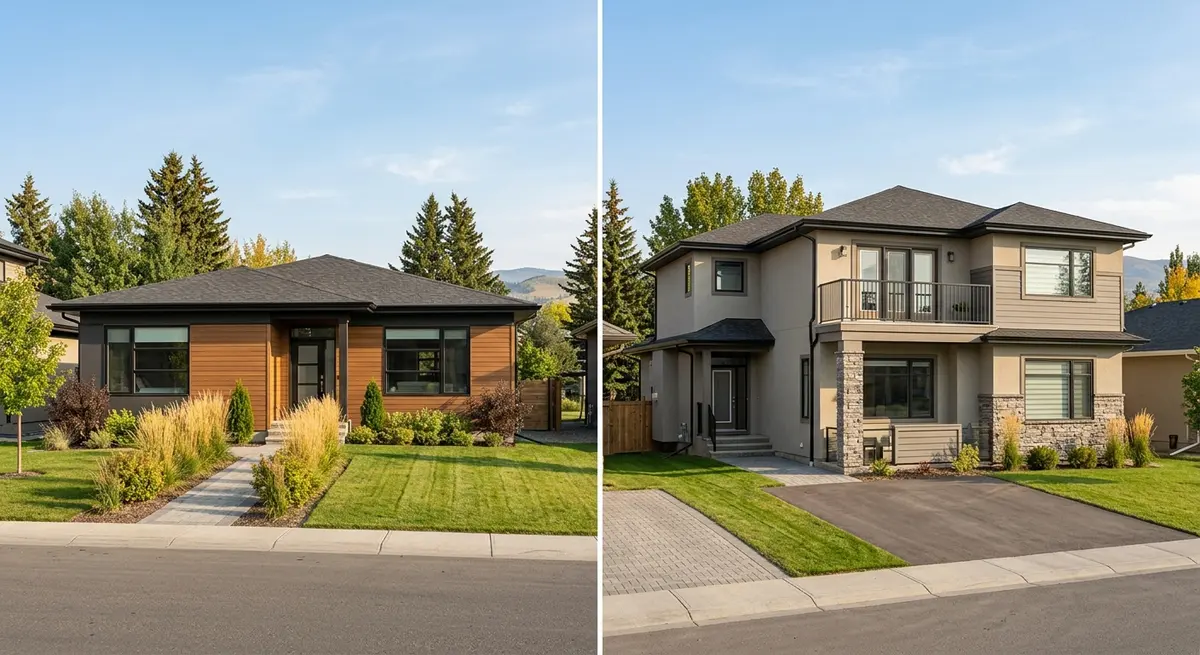
Selecting the appropriate architectural style is the most critical decision in the construction process. Buyers typically weigh the benefits of single-story living against the flexibility of multi-generational layouts. Understanding which new home style fits your goals is essential for long-term satisfaction.
| Feature | Traditional Bungalow | Multi-Generational Two-Story (with Main Floor Suite) |
|---|---|---|
| Stair Navigation | None required for daily living. | Stairs required for secondary occupants; main floor is self-contained. |
| Footprint & Lot Size | Requires a wider, larger lot to accommodate all square footage on one level. | More efficient use of narrow urban lots; builds upward. |
| Caregiver Accommodation | Limited, unless a basement suite is developed. | Excellent. Family or caregivers can live upstairs with complete privacy. |
| Resale Value | Extremely high demand among retiring boomers. | High demand among large families and investors. |
| Energy Efficiency | Larger roof and foundation area can increase heating costs slightly. | Stacked design is naturally more energy-efficient to heat in Alberta winters. |
Step-by-Step Guide to Planning a Senior-Focused Build
Embarking on a custom build requires meticulous planning. Follow these steps to ensure the project meets all current and future needs:
- Assess Future Mobility Needs: Consult with an occupational therapist to understand potential future physical limitations. This will inform the architectural blueprints.
- Select the Right Builder: Not all construction firms specialize in accessible design. Conduct a thorough builder reputation check to find contractors with specific experience in universal design and barrier-free construction.
- Choose an Appropriate Lot: Look for flat topography. A steeply sloped lot will require extensive grading or retaining walls to achieve a zero-step entry, driving up costs.
- Finalize the Floor Plan: Ensure the primary bedroom, a full accessible bathroom, the kitchen, and laundry facilities are all located on the main floor.
- Plan for Caregiver Space: If live-in help may be required in the future, consider basement development options to create a comfortable, private suite for caregivers.
- Integrate Smart Technology: Hardwire the home for automated security, smart thermostats, and voice-activated lighting during the electrical rough-in phase.
Financial Considerations and Alberta Grants for Seniors
Building a custom home with specialized features requires a robust financial strategy. Fortunately, there are several programs designed to ease the financial burden of constructing accessible dwellings.
The federal Home Accessibility Tax Credit (HATC) allows individuals to claim a portion of their eligible expenses for renovations or new build features that improve accessibility. Additionally, the Government of Alberta offers various housing grants and property tax deferral programs that can assist seniors in managing their ongoing housing costs once the build is complete.
It is also crucial to consult with the Canada Mortgage and Housing Corporation (CMHC), which provides guidelines and potential premium refunds for energy-efficient and accessible home construction. Factoring these incentives into your initial budget can free up capital for high-end finishes or advanced medical monitoring technologies.
Selecting the Right Alberta Community for Retirement
The physical house is only half of the equation; the surrounding environment is equally important. When evaluating where to build, proximity to healthcare, pharmacies, and grocery stores is paramount. Conducting thorough local amenities research ensures the chosen neighborhood supports an independent lifestyle.
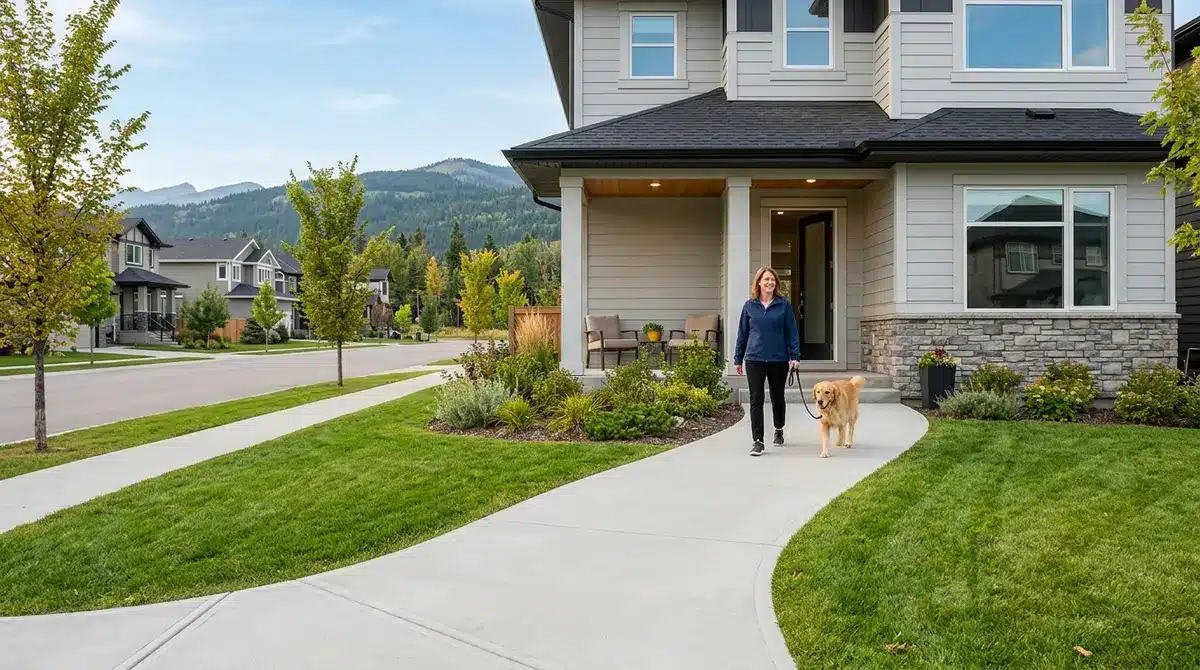
Buyers must also decide between rural tranquility and urban convenience. While a sprawling acreage offers peace, rural vs urban construction presents different challenges, particularly regarding snow removal, emergency response times, and utility hookups. Many seniors in 2026 are opting for master-planned communities in suburban Calgary and Edmonton that offer dedicated walking paths, community centers, and low-maintenance homeowner association (HOA) packages that handle exterior upkeep.
Frequently Asked Questions (FAQ)
What is universal design in new home construction?
Universal design is an architectural approach that ensures a home is accessible and usable by everyone, regardless of age or physical ability. It includes features like wider doorways, zero-step entries, and lever-style door handles that blend seamlessly into the home’s aesthetic.
Are bungalows the only option for seniors building a new home?
No. While bungalows are popular for their single-story convenience, two-story homes can be designed for seniors by placing the primary suite, kitchen, and laundry on the main floor. The upper levels can be reserved for visiting family or live-in caregivers.
How much wider should doorways be for wheelchair accessibility?
Standard interior doors are typically 28 to 30 inches wide, but accessible homes require a minimum clear opening of 32 inches. To achieve this, builders must install 36-inch door slabs throughout the home.
Can I get government grants to build an accessible home in Alberta?
Yes, there are federal and provincial incentives available. Programs like the Home Accessibility Tax Credit (HATC) can help offset the costs of integrating specific barrier-free features into your new build.
Why is structural blocking important during framing?
Structural blocking involves installing solid wood supports behind the drywall in areas like bathrooms and hallways. This allows for the secure, safe installation of grab bars in the future without needing to tear open the walls.
What type of flooring is best for seniors?
Luxury vinyl plank (LVP) and engineered hardwood are highly recommended. They provide a smooth, trip-free surface for walkers and wheelchairs, are easy to clean, and offer slight cushioning compared to ceramic tile or concrete.
Conclusion
Constructing a new home for seniors in Alberta is a forward-thinking investment that prioritizes safety, independence, and comfort. By embracing universal design principles, navigating local building codes, and leveraging available financial incentives, you can create a beautiful, functional space that adapts to your needs over time. Whether you are planning a sprawling rural bungalow or a multi-generational urban build, the key to success lies in proactive planning and partnering with experienced professionals.
Ready to start planning your accessible dream home? Contact us today to connect with Alberta’s top builders and design experts who specialize in aging-in-place architecture.


