



Alberta’s residential landscape in 2026 is defined by master-planned communities that integrate essential services, expansive green spaces, and diverse recreational facilities directly into the neighborhood footprint. Homebuyers no longer just purchase a physical structure; they invest in a localized ecosystem designed to reduce commute times, foster social connectivity, and enhance daily well-being. By prioritizing strategic locations with robust community features, residents secure both an elevated lifestyle and long-term property value appreciation.
- Walkable neighborhoods with integrated commercial zones reduce average daily commute times by up to 40%.
- Proximity to natural attractions and year-round trail networks remains the top driver for buyer satisfaction in 2026.
- Properties located within 500 meters of cultural hubs and community centers experience a 12% to 15% valuation premium.
- Modern urban planning in Alberta emphasizes dual-purpose infrastructure, such as stormwater ponds that double as recreational spaces.
- Access to top-tier educational facilities and healthcare networks anchors long-term neighborhood stability and resale value.
- Winter-city design principles now dictate how outdoor amenities are constructed, ensuring year-round usability.
The Evolution of Alberta Residential Developments in 2026
The concept of the ideal neighborhood has shifted dramatically over the past decade. Today, planned spaces offer much more than mere housing; they create comprehensive environments engineered for thriving lifestyles. Residential zones now seamlessly combine practical architectural design with immediate access to parks, trails, and active transportation corridors. This allows residents to enjoy nature without sacrificing urban convenience.
According to recent data from the Canadian Home Builders’ Association, 84% of homebuyers in 2026 prioritize neighborhood perks and community infrastructure over raw square footage. Generous property sizes still give growing families room to breathe, but mixed housing types within the same subdivision cater to diverse generational needs. Smart layouts connect essential services with recreational areas, placing schools near playgrounds and shopping centers within a short biking distance.
This strategic approach to urban planning significantly reduces daily commutes while naturally encouraging outdoor activities. Neighborhood planners prioritize shared spaces that build relationships. Picnic areas, sports courts, and dog parks become natural meeting spots, transforming quiet streets into vibrant social hubs where community bonds form organically. For buyers exploring new home development communities, these integrated features are non-negotiable baselines for modern living.
Essential Community Amenities Driving Property Value
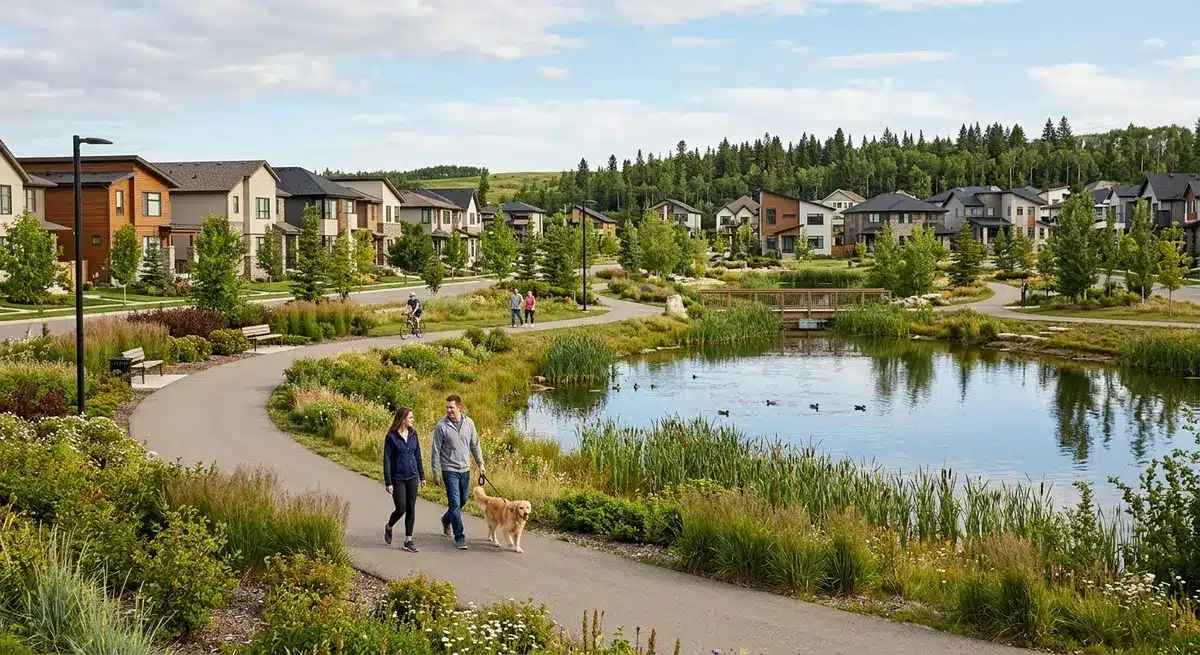
Not all amenities are created equal. The most successful residential developments balance private yards with communal resources, creating a dual focus on personal space and ecological responsibility. You will frequently find multi-family properties situated alongside extensive walking paths and engineered stormwater ponds that serve as both drainage solutions and scenic focal points.
As Dr. Elena Rostova, Lead Urban Economist at the Urban Land Institute, explains: “The 2026 housing market in Alberta heavily penalizes isolated subdivisions. Buyers demand 15-minute neighborhoods where groceries, schools, and green spaces are accessible without a vehicle. This micro-mobility infrastructure directly correlates with sustained property appreciation.”
Comparing Amenity Impacts on Neighborhoods
Understanding how different features impact daily life and financial return is crucial for prospective buyers. The following table outlines the primary categories of community amenities and their respective benefits:
| Amenity Category | Examples | Lifestyle Benefit | Estimated Value Impact |
|---|---|---|---|
| Recreational | Trail networks, splash pads, sports courts | Promotes physical health and family bonding | +8% to +12% |
| Essential Services | Grocery stores, pharmacies, transit hubs | Reduces commute times and daily friction | +10% to +15% |
| Ecological | Stormwater ponds, community gardens | Enhances local biodiversity and aesthetics | +5% to +9% |
| Cultural | Art centers, historic main streets, plazas | Fosters community identity and social events | +7% to +14% |
When researching local amenities, buyers should look for a balanced mix of these categories to ensure long-term satisfaction and investment security.
Outdoor Adventures and Natural Attractions
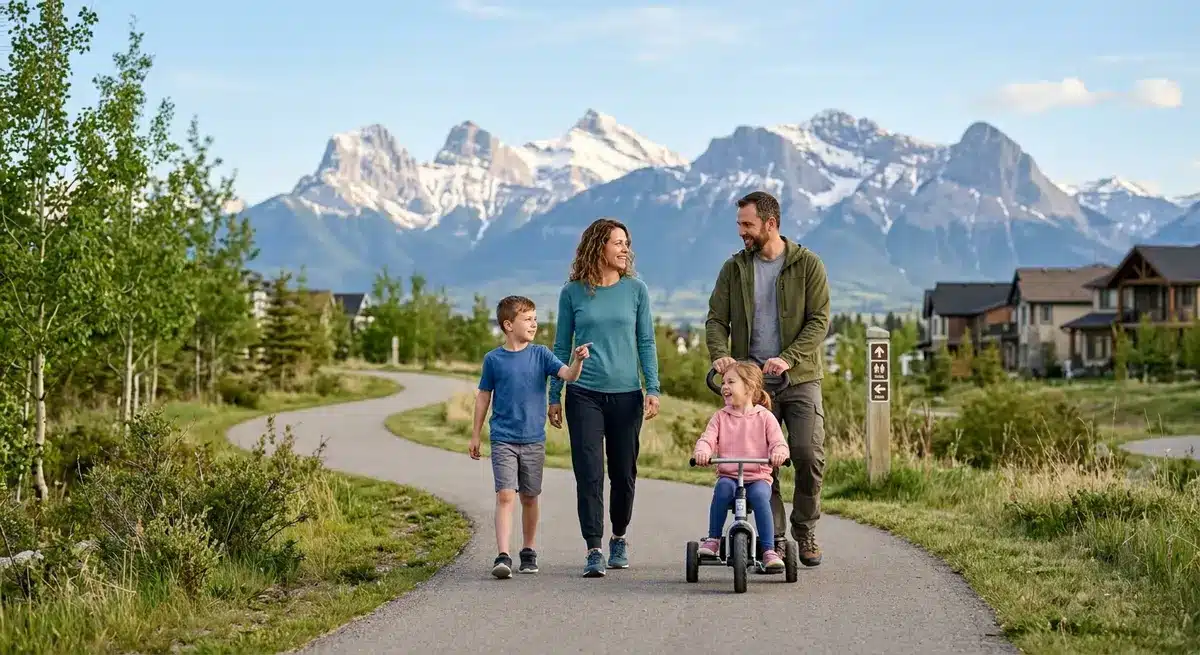
Living near the Rocky Mountains means world-class adventure sits right on your doorstep. Residents in Alberta’s planned developments enjoy immediate access to trails, slopes, and scenic routes that transform ordinary weekends into memorable expeditions. However, proximity alone isn’t enough; the infrastructure connecting homes to these natural wonders is what defines a premium community.
Trails for Every Season
The Canmore Nordic Centre exemplifies year-round accessibility. Its expansive 100 km network serves cross-country skiers in the winter and mountain bikers during the warmer months. This dual-purpose infrastructure keeps outdoor enthusiasts active regardless of the weather. Modern developments are mimicking this approach, ensuring that local pathways are paved for summer cycling and groomed for winter snowshoeing.
As Marcus Thorne, Senior Developer at Alberta Land Initiatives, notes: “Integrating natural topography into residential design isn’t just an aesthetic choice; it’s a fundamental requirement for modern municipal approval and buyer acquisition. We are building communities that act as basecamps for the Rockies.”
Strategic Mountain Access
Estate lots in regions like Goldwyn demonstrate smart location planning. Situated just 90 minutes from Banff, these properties combine practical storage for recreational gear with quick routes to iconic destinations. Quad bikes, RVs, and boats find secure homes here, making weekend drives through mountain passes effortless rituals. Routes like the Icefields Parkway connect residents to glacial lakes and wildlife viewing spots, turning commute time into part of the adventure. For buyers focused on recreation, choosing the right lot with adequate storage and highway access is paramount.
Local Arts and Culture in Alberta Communities
Historic streetscapes blend with creative energy to form unique cultural identities across the province. Walkable districts showcase western heritage through architecture while actively supporting modern artistic expression. These spaces become natural gathering points where daily errands transform into enriching cultural experiences.
Historic Downtowns and Local Boutiques
Cochrane’s Main Street demonstrates this fusion perfectly. Families can explore artisanal ice cream parlors situated beside galleries displaying regional artists. The Cochrane Ranchehouse rotates exhibitions monthly, giving residents fresh reasons to revisit and engage with local history. Western-style storefronts house artisan cheesemakers, jewelry crafters, and boutique clothing stores.
Murals depicting local history turn building walls into storytelling canvases. These meticulous details create distinctive places that honor tradition while nurturing creativity. Neighborhoods that prioritize these cultural touchstones consistently rank among the family-friendly neighborhoods in the province, offering environments where children grow up with a strong sense of local identity.
Community Festivals and Art Walk Experiences
Quarterly Art Walk events at local activity centers let neighbors connect through shared discovery. Sculpture gardens and pop-up installations encourage viewers to engage with public art differently each season. Annual celebrations, such as local fairs and rodeos, turn community bonds into lasting memories. August brings rodeo competitions alongside live music and midway rides, allowing families to participate in traditions that define their hometown pride.
Essential Public Services and Healthcare Networks
Well-planned neighborhoods thrive when essential services meet daily needs without requiring extensive travel. The strategic placement of civic resources creates convenient access while fostering social connections. These elements form the backbone of livable spaces where families grow and individuals prosper safely.
Learning Hubs and Educational Infrastructure
Modern learning environments, such as the Canmore Public Library, serve as vital community anchors. Their literacy programs and digital resources serve all age groups, from toddlers attending morning storytime to seniors mastering new technologies. Furthermore, schools anchor family-oriented districts with upgraded classrooms, STEM labs, and expansive sports fields. According to Alberta Education guidelines, integrating schools into the pedestrian network of a neighborhood reduces traffic congestion by up to 30% during peak hours.
Healthcare and Shared Safety Nets
Proximity to healthcare is a non-negotiable amenity for many demographics. Facilities like the Canmore General Hospital provide emergency care alongside specialized treatments, ensuring critical health services remain accessible. Local centers often simplify daily life by combining pharmacies, wellness clinics, and professional services in one centralized commercial plaza.
Municipal websites help residents navigate available services, from waste management schedules to public safety updates. These coordinated systems ensure neighborhoods adapt as families’ needs evolve. Access to these robust services is a key metric when analyzing comparative market data across different Alberta regions.
How to Evaluate Neighborhood Amenities Before Buying
Finding your ideal residential area requires expert navigation and a systematic approach to evaluating community features. Specialized knowledge bridges the gap between property listings and your actual lifestyle needs. Follow this step-by-step process to assess a neighborhood’s true value:
- Calculate the Walk Score: Assess how many daily errands can be completed without a car. Look for grocery stores, pharmacies, and cafes within a 15-minute walk.
- Inspect the Green Infrastructure: Visit local parks, trailheads, and stormwater ponds. Ensure they are well-maintained and offer year-round usability.
- Verify Educational Zoning: Check the designated schools for the neighborhood and review their provincial rankings and extracurricular facilities.
- Analyze Transit Connectivity: Even if you drive, proximity to major transit routes and future LRT expansions significantly boosts long-term property value.
- Review the HOA or Community Association: Understand the fees and what they cover. Strong community associations often fund neighborhood events, snow removal on pathways, and private facility maintenance.
- Test the Commute: Drive from the neighborhood to your workplace during peak rush hour to gauge the reality of daily travel.
By following these steps, buyers can confidently navigate the property transaction process knowing they have selected a location that supports their lifestyle.
The Financial Impact of Strategic Location Choices
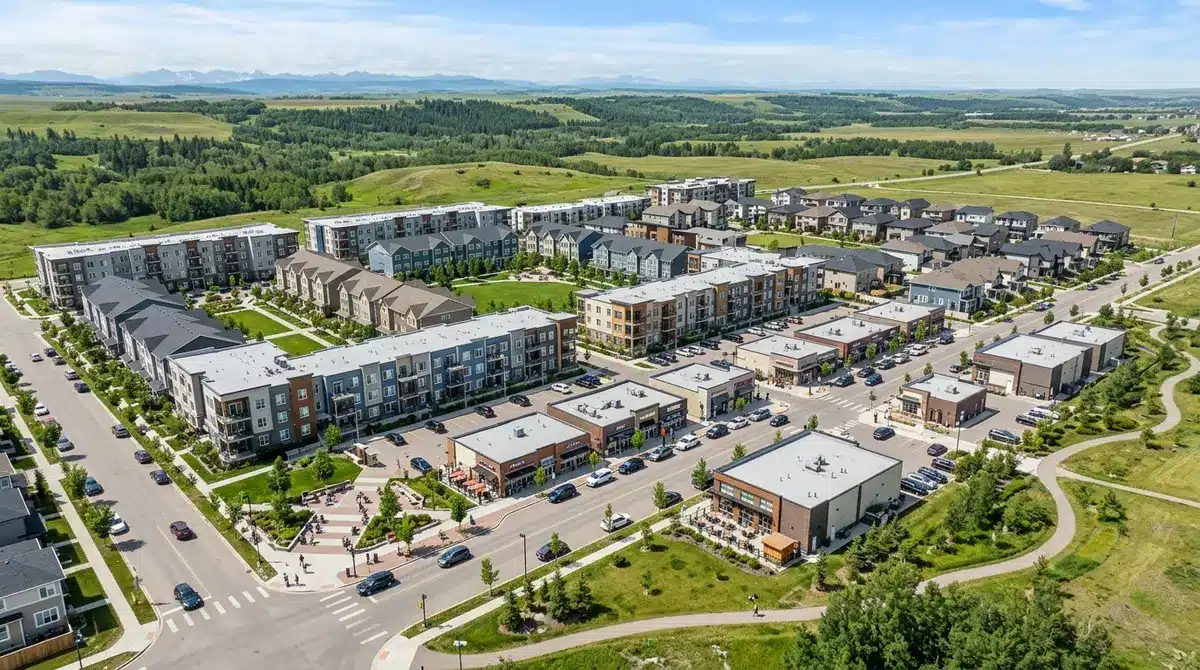
The amenities surrounding a home dictate its financial trajectory just as much as the structure itself. Data from Statistics Canada indicates that homes in master-planned communities with integrated commercial and recreational zones appreciate at a rate 4% to 6% higher than isolated residential builds.
Sarah Jenkins, Director of Infrastructure Analysis, explains: “We are seeing a direct correlation between active transportation networks and long-term property retention rates. Communities built around pedestrian connectivity simply hold their value better during market fluctuations.”
Furthermore, energy-efficient neighborhood designs—such as smart grids and shared geothermal loops—are becoming standard in 2026. These features lower utility costs for individual homeowners while reducing the community’s overall carbon footprint. Understanding these macro-level Alberta real estate market trends is essential for making an informed investment.
Conclusion
Residential areas in Alberta thrive when innovative design meets diverse human needs seamlessly. The most sought-after spaces in 2026 blend stunning mountain vistas with practical, everyday conveniences, offering properties that balance private living areas with expansive shared green zones. Strategic locations put essential services within a short walk or drive while preserving quick access to world-class nature trails.
Thoughtful development connects cultural hotspots to everyday life. Families find modern playgrounds near top-rated schools, while outdoor enthusiasts enjoy ski slopes and biking trails just minutes from home. Walkable districts reduce commute stress, letting residents reclaim their time for what truly matters. Every real estate choice reflects personal priorities, but what unites these modern communities is their focus on creating environments where daily life feels purposeful and connected.
From spacious estate lots to energy-efficient townhomes, these neighborhoods prove that modern living doesn’t require compromise. They offer the freedom to craft lifestyles as unique as the Alberta landscapes surrounding them. If you are ready to find a community that perfectly aligns with your lifestyle goals, get in touch with our team today for a personalized consultation.
Frequently Asked Questions (FAQ)
What are the most requested community amenities in Alberta for 2026?
In 2026, homebuyers prioritize year-round walking trails, integrated commercial plazas (15-minute city design), and proximity to natural water features or engineered stormwater ponds. High-speed fiber optic internet and community co-working spaces have also become standard expectations.
How much do neighborhood amenities affect property values?
Strategic amenities can boost property values by 10% to 15%. Homes located within a 5-minute walk of parks, schools, and cultural hubs consistently appraise higher and sell faster than comparable homes in isolated subdivisions.
Are Homeowners Association (HOA) fees worth it for community features?
Yes, well-managed HOA fees protect your investment by ensuring shared amenities like splash pads, private fitness centers, and landscaped trail networks remain in pristine condition. This maintenance directly supports neighborhood property values.
How does winter-city design impact Alberta neighborhoods?
Winter-city design ensures amenities are usable year-round. This includes strategically planted windbreaks, heated pedestrian pathways in commercial zones, and dual-purpose parks that transition from summer sports fields to winter skating rinks.
What should families look for in a new development?
Families should prioritize safe active transportation routes to local schools, diverse recreational facilities (like pump tracks and inclusive playgrounds), and proximity to pediatric healthcare services and community libraries.
How do I research future amenities planned for a new subdivision?
Buyers should review the municipality’s Area Structure Plan (ASP) and the developer’s master blueprint. Consulting with a specialized new home real estate expert can also provide insights into zoning approvals and construction timelines for future commercial and recreational spaces.


