



Homes in Alberta are staying on the market longer in 2026 because the provincial real estate landscape has transitioned from a hyper-competitive seller’s market into a balanced, normalized environment. Buyers today benefit from significantly increased inventory—particularly a surge in new construction—which allows them to take their time, demand turnkey property conditions, and negotiate strictly on price. Consequently, properties that suffer from deferred maintenance, lack professional staging, or are priced based on outdated peak-market expectations are being bypassed, leading to a natural increase in average days on market (DOM) across both Calgary and Edmonton.
Key Takeaways
- Market Equilibrium: Alberta has officially entered a balanced market in 2026, normalizing the average days on market to a standard 30-to-45-day window.
- Inventory Surges: A massive influx of completed new builds, especially townhouses and condos, has diluted buyer urgency and increased competition for resale homes.
- Price Sensitivity: Buyers are heavily constrained by sustained borrowing costs; overpricing a home by even 3% can cause it to sit unsold for months.
- Turnkey Demands: The “as-is” selling strategy is obsolete. Modern buyers lack the liquid capital for renovations and expect move-in-ready conditions.
- Strategic Patience: Sellers must differentiate between a listing that needs a price adjustment (zero showings) and one that needs better presentation (showings but no offers).
The Transition to a Balanced Real Estate Market
To understand the current dynamics of the housing sector, one must look at the fundamental principles of supply and demand. For several years, Alberta experienced a severe supply deficit coupled with record-breaking interprovincial migration. This created a frantic environment where buyers waived inspections and offered well over the asking price within hours of a listing going live. In 2026, that frenzy has subsided. The market has matured into a balanced state, which is a sign of long-term economic health rather than a localized crash.
According to recent data published by the Canadian Real Estate Association (CREA), inventory levels in major Albertan hubs have recovered to approximately 4.2 months of supply. This metric is the textbook definition of a balanced market. When buyers have more than a handful of options, the psychological pressure to make an immediate, unconditional offer evaporates. They are now conducting thorough due diligence, scheduling multiple viewings, and carefully comparing new construction and resale options before committing to a mortgage.
How Migration Stabilization Affects Absorption Rates
While Alberta’s economy remains robust, fueled by energy sector innovations and tech diversification, the sheer volume of people moving into the province has stabilized. We are no longer seeing the unsustainable population spikes of previous years. This stabilization directly impacts the absorption rate—the speed at which available homes are sold during a specific time period. A lower absorption rate naturally extends the lifecycle of an active listing. Sellers who fail to recognize this macroeconomic shift often experience deep frustration when their property doesn’t sell in a single weekend.
The Surge of New Construction Competition
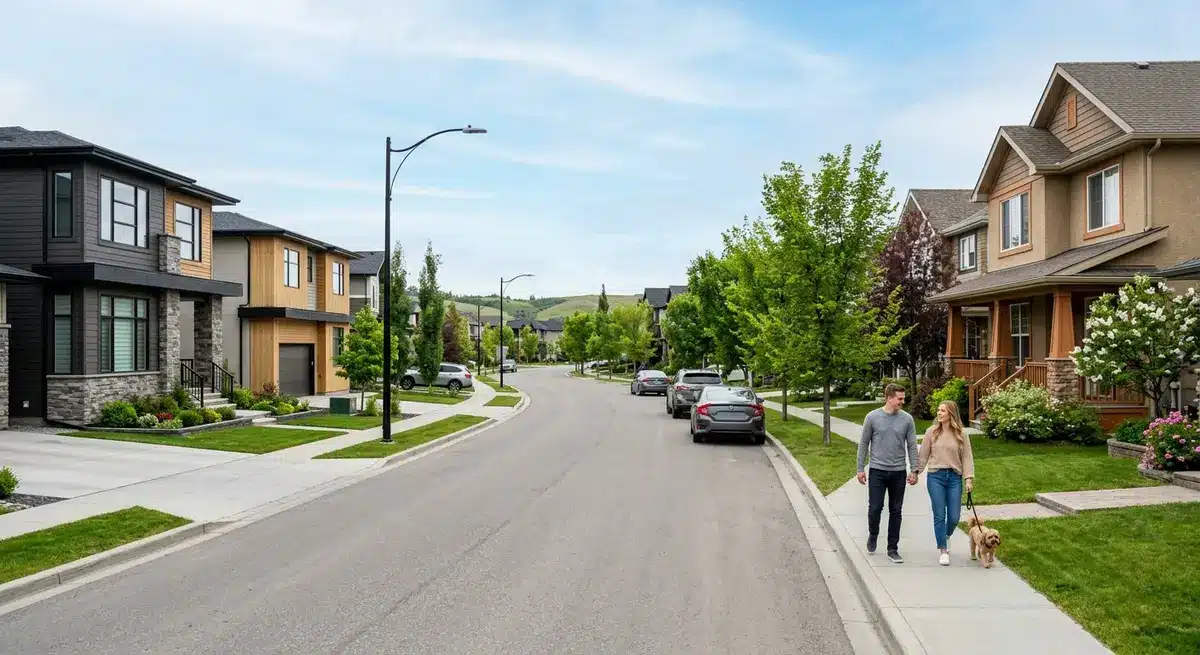
A primary factor lengthening market times for existing homeowners is the massive wave of new construction reaching completion. Builders across the province have been working tirelessly to meet the demand generated over the last few years. In 2026, thousands of these projects—ranging from high-density apartment complexes to sprawling suburban detached homes—are finally handing over the keys.
If you are trying to sell a ten-year-old townhouse, you are no longer just competing with the neighbor down the street; you are competing directly with brand-new, energy-efficient units that come with comprehensive warranty protections. Buyers are naturally drawn to the pristine condition of new builds. Furthermore, builders often have distinct advantages that private sellers cannot match, such as offering closing cost credits, appliance packages, or promotional mortgage buy-down rates.
Why Resale Condos Face the Steepest Hurdles
The high-density sector, specifically older condominiums, is feeling this competition the most. Modern building codes mandate superior insulation, advanced HVAC systems, and smart home integrations that older buildings simply lack. As utility costs remain a significant concern for Albertans, the energy efficiency of a new build is a major selling point. To compete, sellers of older units must price their properties aggressively enough to offset the perceived value of a new build’s modern amenities and warranty. For a deeper dive into these market segments, reviewing a comprehensive market analysis is essential for setting realistic expectations.
The Danger of Peak-Market Pricing Strategies
Perhaps the most common reason a home sits on the market for an extended period is a misalignment between the seller’s price expectations and the current reality. Many homeowners anchor their property’s value to the anomalous peak prices seen in the past, ignoring the fact that the market has cooled. In 2026, buyers are incredibly price-sensitive. They have access to vast amounts of data and can instantly recognize an overpriced listing.
As Marcus Thorne, a senior market analyst at the Alberta Housing Institute, explains: “Price elasticity in the 2026 Alberta market is virtually non-existent. A property priced just 3% to 5% above its true market value will see a 60% drop in showing requests during its first two weeks on the MLS. Buyers simply scroll past.”
When a home sits unsold for more than 30 days, it begins to accumulate a stigma. Buyers and their agents start to wonder, “What is wrong with this house?” This often leads to lowball offers that are far below what the seller could have achieved had they priced the home correctly from day one. To avoid this, sellers must rely on recent comparative market reports that utilize data strictly from the last 60 to 90 days.
Market Dynamics Comparison: Peak vs. Balanced
| Market Metric | Peak Seller’s Market | Balanced Market (2026) |
|---|---|---|
| Average Days on Market | 7 – 14 Days | 30 – 45 Days |
| Pricing Strategy | Price high, expect bidding wars | Price at exact market value |
| Buyer Conditions | Waived inspections & financing | Strict inspection & financing clauses |
| Property Condition | “As-is” accepted readily | Turnkey presentation required |

Property Presentation and the End of “As-Is” Selling
In a market flush with inventory, “good enough” is no longer sufficient. Buyers are touring five to ten homes before making a decision, and your property needs to stand out. There is a growing, yet flawed, trend of sellers listing homes “as-is” to avoid the upfront costs of renovations. While this strategy was viable when buyers were desperate, it is a guaranteed way to stall a listing in 2026.
Modern buyers are often maximizing their mortgage qualifications just to enter the market. They do not have the additional $20,000 to $50,000 in liquid cash required to update a kitchen, replace flooring, or tackle deferred maintenance. If a home requires immediate work, buyers will either subtract double the estimated repair cost from their offer, or they will simply move on to a turnkey alternative. Professional staging, fresh neutral paint, and immaculate landscaping are now baseline requirements. For sellers looking to maximize their return, ensuring all areas of the home are finished—including verifying builder reputations if you are selling a relatively new property—is critical.
Economic Pressures: Inflation, Interest Rates, and Carrying Costs
The broader macroeconomic environment plays a massive role in buyer behavior. While inflation has cooled from its historic highs, the cumulative effect on the cost of living remains a heavy burden. According to the Bank of Canada, sustained benchmark interest rates have fundamentally altered how much house a family can afford. Buyers are scrutinizing their “all-in” monthly carrying costs with unprecedented rigor.
This scrutiny extends beyond the mortgage payment. Property taxes, home insurance premiums, utility bills, and Homeowner Association (HOA) fees are all factored into the buyer’s affordability matrix. A home with poor energy efficiency or an unusually high HOA fee will naturally sit on the market longer, as it disqualifies a significant portion of the buyer pool. Investors, too, are facing stricter lending environments. Specialized multi-family financing programs now heavily favor properties that meet stringent energy efficiency and affordability criteria. If a resale income property does not meet these modern standards, investors will pass, waiting for assets that align better with favorable lending terms.
Step-by-Step Guide: How to Revive a Stagnant Listing
If your Alberta home has been sitting on the market for more than 45 days with little to no activity, it is time to pivot. Hope is not a strategy in real estate. Follow these actionable steps to reposition your property and attract serious buyers:
- Analyze the Showing Data: Review the feedback from any viewings. If you have had zero showings in three weeks, your price is fundamentally disconnected from the market. If you have had 15 showings but no offers, the price is likely close, but the presentation, layout, or condition is turning buyers off.
- Commission a Fresh CMA: Ask your agent to pull a new Comparative Market Analysis (CMA) focusing exclusively on homes that have sold in your specific neighborhood within the last 45 days. Ignore active listings, as those are just asking prices, not market realities.
- Execute Strategic Upgrades: Address the most common negative feedback. If buyers mention the home feels dark, upgrade the lighting fixtures to high-lumen LEDs and remove heavy window treatments. If the paint is dated, invest in a professional coat of a modern, neutral tone.
- Enhance Digital Marketing: Over 95% of buyers start their search online. If your listing photos were taken on a smartphone or on a gloomy day, they are hurting your chances. Invest in professional HDR photography, a 3D virtual tour, and drone footage to showcase the lot and neighborhood amenities.
- Consider Buyer Incentives: In a balanced market, offering a creative incentive can tip the scales. Consider offering to cover the first year of HOA fees, providing a credit for new appliances, or being highly flexible on the possession date.
Navigating Builder Sales Centers and Representation
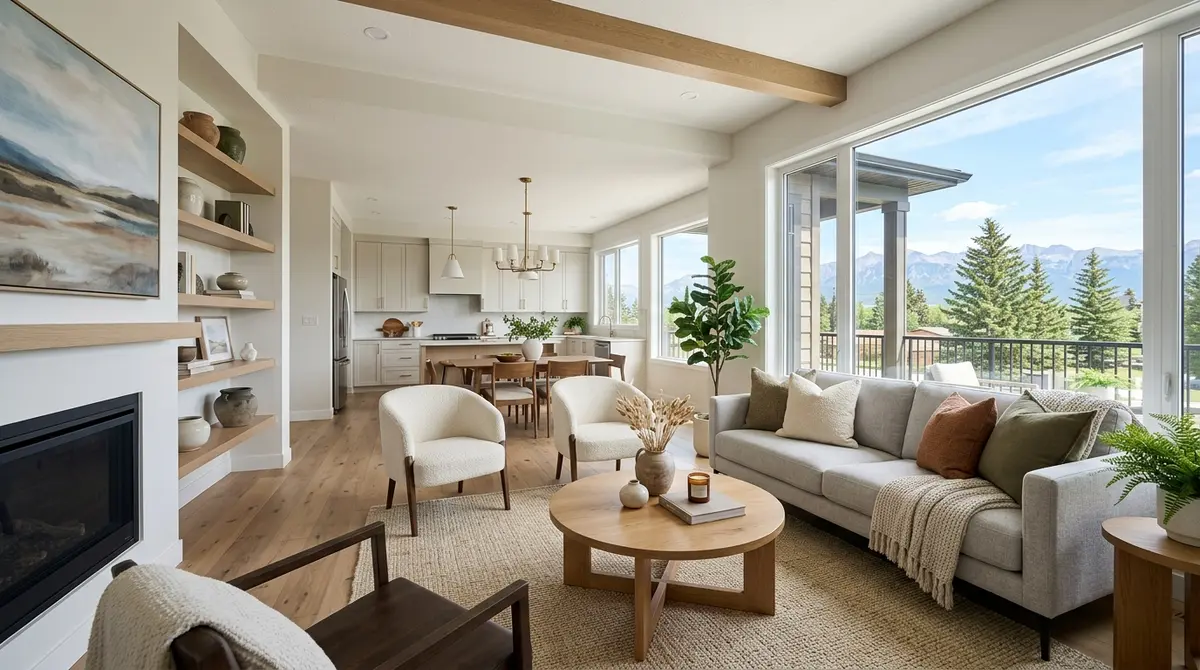
For buyers frustrated by the resale market, turning to new construction is a logical step. However, walking into a builder’s sales center unrepresented is a critical error. The friendly sales staff work exclusively for the builder; their fiduciary duty is to secure the highest possible price and the most favorable terms for their employer, not for you.
Having your own dedicated representation is vital. An experienced buyer’s agent understands the nuances of builder contracts, knows which upgrades actually add resale value, and can effectively handle negotiating home prices even when builders claim their base prices are firm. Builders often have hidden “flex funds” or closing credits available for savvy negotiators, but they will rarely offer them upfront to an unrepresented buyer. Furthermore, an agent can guide you through navigating modern financing options to ensure your new build aligns with your long-term wealth goals.
Strategic Patience vs. Stale Listings: Knowing the Difference
It is important to recognize that a longer time on the market is not inherently a disaster; it is the new normal. However, sellers must practice strategic patience. Strategic patience means you are priced correctly according to current data, your home is in immaculate condition, and you are simply waiting for the right buyer to enter the market. This is common for unique properties, such as luxury estates or homes with highly specific custom layouts.
A stale listing, on the other hand, is a property that is languishing because of stubbornness. Refusing to lower an inflated price, declining to fix a leaking roof, or restricting showing times to narrow windows will guarantee your home becomes stale. By staying informed on current housing trends and remaining adaptable, sellers can successfully navigate the 2026 landscape without leaving money on the table.
Frequently Asked Questions
Why is my house not selling when the neighbor’s house sold in a week?
Every property is distinct, and the 2026 market is highly sensitive to micro-details. Your neighbor may have priced their home slightly below market value to spark immediate interest, or their interior updates may align more closely with current buyer preferences. Even minor differences in lot positioning or floor plan flow can drastically impact days on market.
Are interest rates the only reason for slow home sales in Alberta?
While sustained interest rates heavily impact buyer affordability, they are not the sole factor. A significant increase in housing inventory, particularly new construction, gives buyers more choices. When buyers have options, they take longer to make decisions, which naturally increases the average time properties spend on the market.
Should I lower my price if my home has been listed for over 30 days?
In a balanced market, 30 days is standard, but it should prompt a strategy review. If you have had consistent showings but no offers, your price might be slightly out of reach, or there is a presentation issue. Analyze the showing feedback carefully before making a knee-jerk price reduction.
Is 2026 a bad time to sell a home in Alberta?
It is not a bad time; it is simply a normalized time. The market remains healthy with stable property values, but the frantic pace of previous years has ended. Sellers who prepare their homes meticulously and price them based on current data can still achieve highly profitable and successful sales.
How does the increase in new construction affect my resale home?
New construction creates direct, high-quality competition. Builders offer brand-new warranties, modern energy efficiencies, and buyer incentives that are difficult for private sellers to match. To compete, resale homes must be in turnkey condition and priced to reflect the cost difference of modernizing the property.
Does the time of year affect how long a home stays on the market in Alberta?
Yes, seasonal trends heavily influence real estate in Alberta. The harsh winter months typically see a dip in active buyers, leading to longer listing times. Conversely, the spring and early summer months bring a surge of activity, making it an optimal time to launch a fresh, well-prepared listing.
Conclusion
The days of putting a sign in the lawn on Friday and reviewing multiple unconditional offers on Monday are behind us. The 2026 Alberta real estate market demands precision, preparation, and a deep understanding of current economic realities. Homes are staying on the market longer because buyers are empowered by increased inventory and constrained by strict financial realities. They are looking for undeniable value and turnkey perfection. Whether you are a seller trying to reposition a stagnant listing or a buyer looking to navigate the complexities of new build contracts, professional guidance is your most valuable asset. Don’t let your real estate goals stall in a shifting market. Get in touch with our team today to discover how our data-driven strategies can help you achieve success in Calgary, Edmonton, and beyond.


