



Designing the ideal floor plan for a compact household requires prioritizing multi-functional spaces, strategic acoustic zoning, and integrated storage over sheer square footage. By focusing on adaptable flex rooms and eliminating wasted transitional areas like oversized hallways, homeowners can maximize usability without inflating construction costs. Ultimately, a well-planned blueprint ensures that every square foot serves a distinct, practical purpose tailored to the daily rhythms of modern living.
Key Takeaways
- Eliminate Dead Space: Removing unnecessary hallways can reclaim up to 12% of usable floor area.
- Embrace Broken-Plan Design: Strategic half-walls and acoustic barriers offer better noise control than traditional open-concept layouts.
- Prioritize Flex Rooms: Adaptable spaces that transition from playrooms to home offices increase long-term property utility and resale value.
- Invest in Built-in Storage: Integrating millwork during the framing stage is more cost-effective than retrofitting cabinetry later.
- Acoustic Zoning is Crucial: Separating active living areas from quiet sleeping zones reduces noise transfer by up to 45 decibels.
- Future-Proof the Blueprint: Incorporating universal design principles ensures the home adapts to changing family dynamics over time.
The Evolution of Floor Plans for Modern Households in 2026
The architectural landscape has shifted dramatically over the past decade. Today, optimizing the layout of a new home for a small family is less about acquiring massive square footage and more about intelligent spatial engineering. As construction costs fluctuate, buyers are increasingly focused on efficiency. According to recent data from the Canadian Home Builders’ Association (CHBA), 68% of new buyers in 2026 prefer highly functional, compact layouts over larger homes with poorly utilized space.
This shift is driven by changing lifestyle demands. With remote work becoming a permanent fixture for many professionals, the traditional three-bedroom, two-bathroom model is being reimagined. Families with one or two children now require dedicated workspaces, robust digital infrastructure, and areas that foster both connection and privacy. Whether you are deciding between semi-detached or detached properties, the underlying principles of spatial efficiency remain the same.
“The modern blueprint isn’t about how big the house is, but how hard the house works,” explains Sarah Jenkins, Principal Architect at the Royal Architectural Institute of Canada. “Every square foot must be justified through multi-functional design and seamless spatial flow.”
Core Principles of Spatial Design for Smaller Households
Creating a harmonious living environment requires a deep understanding of how a family interacts with their physical surroundings. The most successful blueprints balance communal gathering areas with private retreats.
Zoning for Privacy and Connection
Effective zoning is the cornerstone of architectural success. A well-optimized floor plan divides the home into distinct “active” and “quiet” zones. Active zones, such as the kitchen, dining room, and main living area, should be clustered together to promote family interaction. Conversely, quiet zones, including bedrooms and home offices, must be acoustically isolated to ensure undisturbed rest and focus.
Implementing proper acoustic zoning is highly effective. Upgrading the building envelope and utilizing specialized drywall between these zones can reduce noise transfer by up to 45 decibels. Buyers should actively discuss acoustic insulation upgrades with their builders during the drafting phase to guarantee a peaceful living environment.
The Rise of the “Broken-Plan” Layout
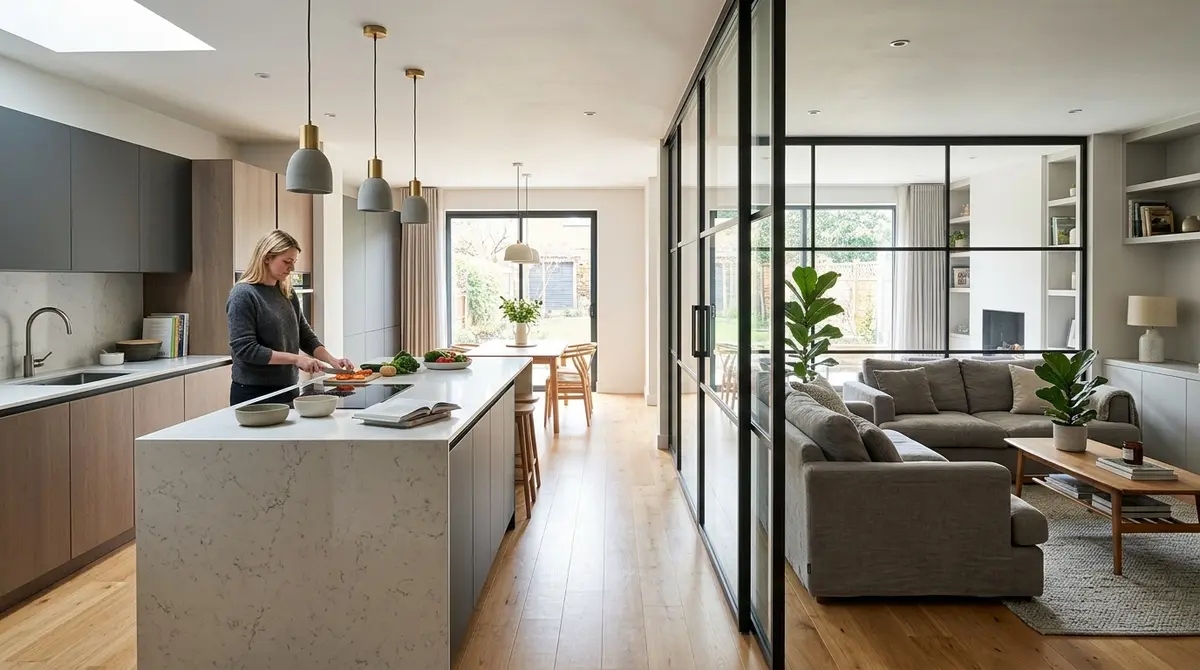
While the open-concept layout dominated the early 2000s, 2026 has seen a massive resurgence of the “broken-plan” design. This approach retains the light and airy feel of an open concept but uses architectural elements—such as half-walls, double-sided fireplaces, glass partitions, and varying floor levels—to define distinct areas.
Research from Natural Resources Canada indicates that broken-plan layouts increase heating and cooling efficiency by 18% compared to fully open spaces, as HVAC systems can be zoned more effectively. Furthermore, this design mitigates the “echo chamber” effect common in cavernous open rooms.
High-Impact Areas to Prioritize During Construction
When customizing a blueprint, certain areas yield a higher return on investment in terms of daily utility. Focusing your budget on these high-impact zones ensures the home meets the specific needs of a smaller family unit.
The Kitchen and Dining Ecosystem
The kitchen remains the operational hub of the home. For compact households, integrating the dining area directly into the kitchen space—often through an oversized, multi-level island—eliminates the need for a formal dining room. This reclaimed square footage can then be reallocated to a larger pantry or a dedicated home office.
Currently, open-concept kitchens with hidden walk-in pantries are requested in 75% of custom builds. These “scullery” pantries hide small appliances and mess, keeping the main kitchen pristine for entertaining and daily family life.
Multi-Purpose Flex Rooms
A dedicated flex room is arguably the most valuable asset in a modern floor plan. This space is designed to evolve alongside the family. It might serve as a playroom during the toddler years, transition into a homework station for teenagers, and eventually become a home gym or guest suite.
According to the National Association of Realtors, homes featuring dedicated, adaptable flex spaces sell 15% faster on the secondary market. When navigating design customization limits with production builders, prioritizing a main-floor flex room should be at the top of your negotiation list.
Integrated Storage Solutions
Clutter is the enemy of a peaceful home, particularly in smaller footprints. Relying on freestanding furniture for storage consumes valuable floor space and disrupts visual flow. Instead, buyers should integrate custom millwork directly into the architectural plans.
“Integrating storage into the structural framing phase saves thousands compared to retrofitting cabinetry later,” says Marcus Thorne, Senior Project Manager at the Residential Construction Council. “Think under-stair pull-outs, built-in mudroom cubbies, and recessed bathroom shelving.”
Real estate data confirms this approach: built-in storage solutions add an average of $15,000 to the resale value of a property, making it a highly lucrative upgrade.
Comparing Popular Floor Plan Configurations
Choosing the right overarching configuration dictates the flow of your daily life. Below is a comparison of the three most common architectural layouts utilized in 2026.
| Layout Type | Best Suited For | Pros | Cons |
|---|---|---|---|
| Open Concept | Families with toddlers requiring constant sightlines. | Maximizes natural light; excellent for entertaining. | Poor acoustic privacy; cooking smells travel easily. |
| Broken-Plan | Households with remote workers or older children. | Balances connection with acoustic separation; highly energy efficient. | Requires careful architectural planning to avoid feeling cramped. |
| Traditional (Closed) | Multi-generational living or families needing strict privacy. | Maximum privacy; easy to heat/cool individual rooms. | Can feel restrictive; limits natural light penetration (fenestration). |
Step-by-Step Guide to Customizing Your Blueprint
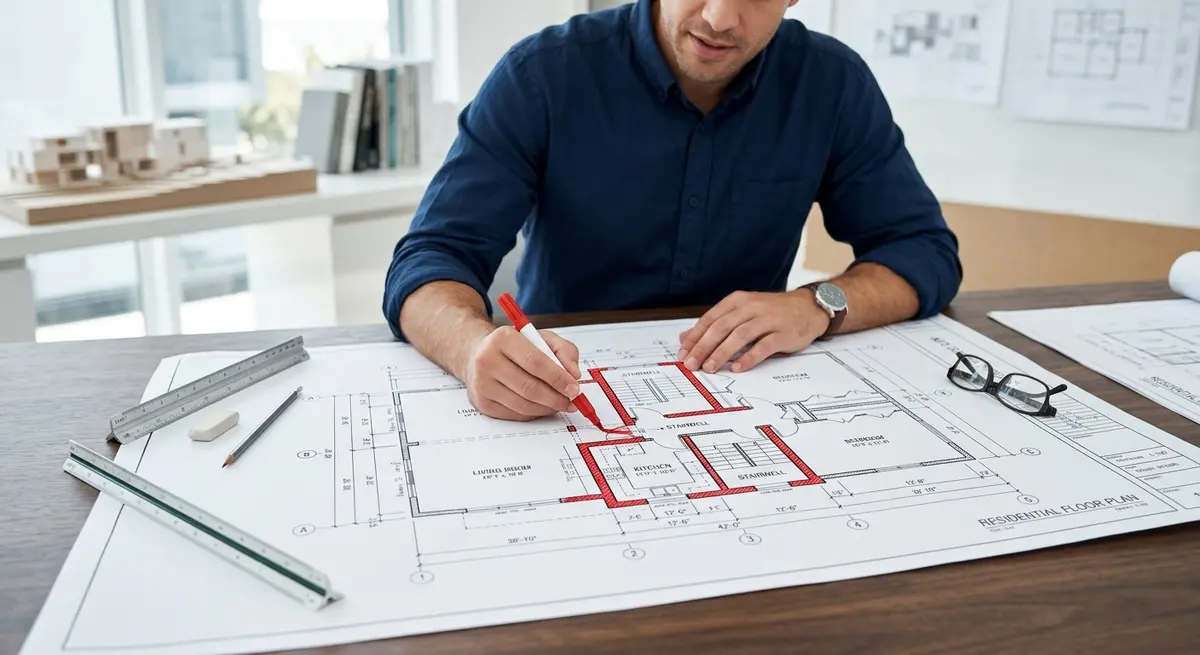
Transforming a standard builder’s template into a personalized sanctuary requires a systematic approach. Follow these steps to ensure your new construction meets your exact specifications.
- Conduct a Spatial Audit: Track your family’s movements in your current residence for one week. Note which rooms are underutilized (e.g., formal dining rooms) and where bottlenecks occur (e.g., cramped entryways).
- Define Your Non-Negotiables: Create a strict list of must-have features. If 82% of small families require at least one dedicated remote workspace (according to Statistics Canada), ensure this is prioritized over aesthetic upgrades.
- Review the Load-Bearing Spans: Work with your architect to understand which walls are structural. Minimizing complex load-bearing spans can significantly reduce construction material costs.
- Optimize Fenestration (Window Placement): Ensure windows are strategically placed to capture morning light in kitchens and bedrooms, while utilizing overhangs to prevent afternoon solar heat gain in living areas.
- Plan for the Basement Early: Do not treat the lower level as an afterthought. Exploring basement development options during the initial drafting phase allows for proper placement of HVAC bulkheads and plumbing rough-ins. Adding a secondary suite or adaptable basement increases property yield by an impressive 22%.
Future-Proofing Your Investment
A home is a long-term financial and emotional investment. Designing for the present is important, but anticipating the future is what elevates a good floor plan to a great one. Future-proofing involves creating a resilient environment that adapts to aging, changing health needs, and shifting family structures.
“Future-proofing a layout means designing spaces that can transition from a nursery to a playroom, and eventually to a teenager’s study or home office,” advises Elena Rostova, Environmental Psychologist at the University of Calgary. “Static rooms quickly become obsolete.”
In 2026, 40% of new builds incorporate universal design principles, according to the Canada Mortgage and Housing Corporation (CMHC). This includes features like zero-step entries, wider doorways (minimum 36 inches), and reinforced bathroom walls for future grab bars. Proactively integrating accessibility features not only allows you to age in place but also broadens the appeal of the home to a wider demographic when it comes time to sell.
Common Architectural Mistakes to Avoid
Even with the best intentions, buyers often fall into common design traps that compromise the functionality of their new build. Being aware of these pitfalls can save you from costly regrets post-possession.
The Hallway Trap
Hallways are essentially transitional dead zones. While some circulation space is necessary, excessive hallways eat into your livable square footage. Eliminating dead hallway space can reclaim up to 12% of usable floor area. Opt for layouts where rooms flow logically into one another, or use central living areas as the primary circulation hub.
Ignoring the Drop Zone
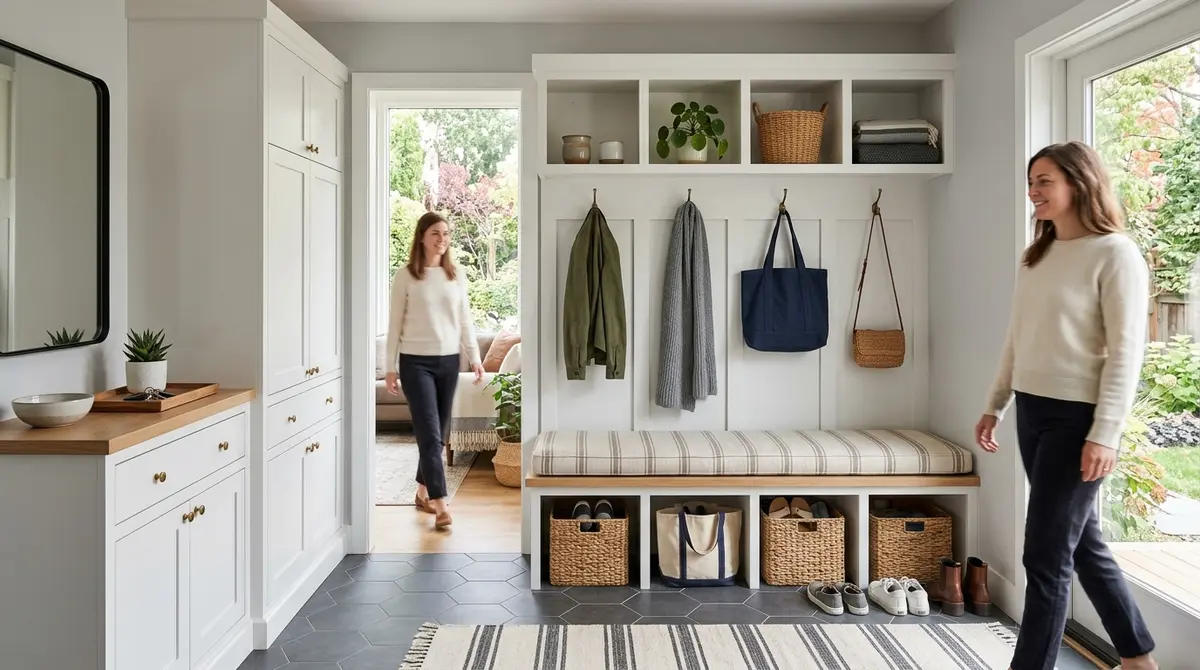
A beautiful home quickly loses its charm if the entryway is constantly cluttered with shoes, coats, and backpacks. Failing to design a dedicated “drop zone” or mudroom—especially one connected to the garage entrance—is a critical error. Ensure this space has durable flooring, built-in seating, and individualized storage cubbies for each family member.
Overlooking Exterior Connectivity
The layout shouldn’t stop at the exterior walls. How the interior connects to the outdoor living space is vital. Ensure sightlines from the kitchen allow you to monitor children playing in the backyard. Furthermore, consider the home’s orientation on the lot and its proximity to local amenities to maximize natural light and community integration.
Frequently Asked Questions
How many square feet does a small family actually need?
In 2026, highly optimized homes for families of three to four people typically range between 1,400 and 1,800 square feet. The focus should be on the efficiency of the layout and multi-functional spaces rather than raw square footage.
Is an open-concept layout still a good idea?
While open-concept layouts offer great natural light, they lack acoustic privacy and can be difficult to heat efficiently. Many buyers are now opting for “broken-plan” designs that use partial walls and glass partitions to define spaces while maintaining a bright atmosphere.
What is the most important room to focus on for resale value?
The kitchen remains the highest-yielding room for resale value, followed closely by the primary ensuite bathroom. However, homes with a dedicated main-floor flex room or home office are currently selling 15% faster than those without.
How can we maximize storage in a smaller home footprint?
Maximize storage by utilizing vertical space and integrating custom millwork during the construction phase. Built-in shelving around fireplaces, under-stair pull-out drawers, and ceiling-height kitchen cabinetry are excellent strategies to keep floor space clear.
Should we finish the basement during the initial build?
Yes, finishing the basement during the initial construction phase is generally more cost-effective than renovating later. It allows the builder to seamlessly integrate HVAC, plumbing, and electrical systems, instantly adding valuable living space or a potential rental suite.
Conclusion
Perfecting the spatial dynamics of a new build is a meticulous but highly rewarding process. By prioritizing acoustic zoning, embracing adaptable flex spaces, and eliminating wasted square footage, you can create a resilient environment that perfectly supports the lifestyle of a modern, compact household. Remember that the most successful blueprints are those that anticipate future needs while solving present-day challenges. If you are ready to start planning your dream build and need expert guidance on navigating floor plans, builder negotiations, and property investments, contact us today to speak with our team of new home specialists.


